
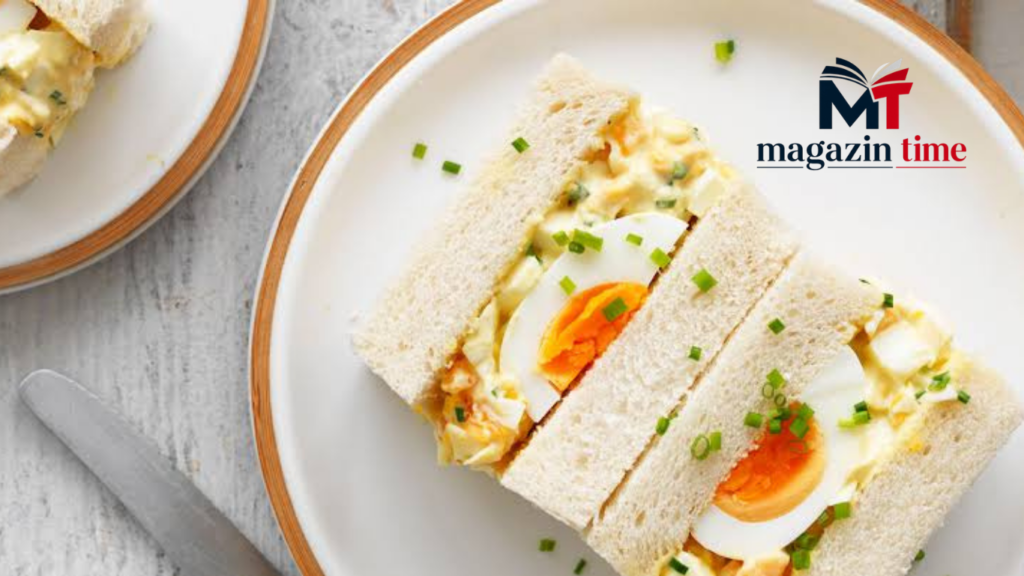

The Japanese egg salad sandwich, often called tamago sando, is a deceptively simple creation that has captured the hearts and appetites of food lovers around the world. Soft, fluffy shokupan (Japanese milk bread) encases a creamy, delicately seasoned egg filling made with hard-boiled eggs and Kewpie mayonnaise. This humble convenience-store staple from Japan offers comfort, precision, and subtle luxury in every bite.
What makes the Japanese egg salad sandwich stand out is its perfect balance of textures and flavours. The bread is pillowy yet structured, while the filling is rich without being heavy, thanks to a meticulous ratio of chopped egg whites and yolks blended with tangy Japanese mayonnaise. Its rise in global popularity reflects a broader fascination with Japanese convenience food, or conbini culture, where everyday items are elevated to near-art forms. Whether grabbed on the go in Tokyo or recreated at home, this sandwich continues to intrigue those seeking an elevated take on a classic comfort food.
The Origins and Cultural Roots of the Japanese Egg Salad Sandwich
The Japanese egg salad sandwich has roots in Western influences that reached Japan during the Meiji era (1868–1912), when European and American culinary ideas began shaping local eating habits. While egg sandwiches existed in various forms in Europe and North America, the specific tamago sando style evolved within Japan’s unique food landscape.
Japan’s post-war economic boom and the expansion of convenience store chains like 7-Eleven, Lawson, and FamilyMart in the late 20th century played a pivotal role. These stores refined the sandwich into a consistent, high-quality product available 24 hours a day. The use of shokupan — a soft, slightly sweet milk bread — and Kewpie mayonnaise, which is richer and more emulsified than many Western varieties, became signature elements.
In Japanese culture, tamago sando embodies the principle of shibui — understated elegance. It is not flashy but meticulously crafted, reflecting the attention to detail that defines much of Japanese cuisine. Its popularity among busy commuters, students, and tourists has made it a symbol of accessible luxury within the fast-paced urban environment.
What Makes the Japanese Egg Salad Sandwich Unique
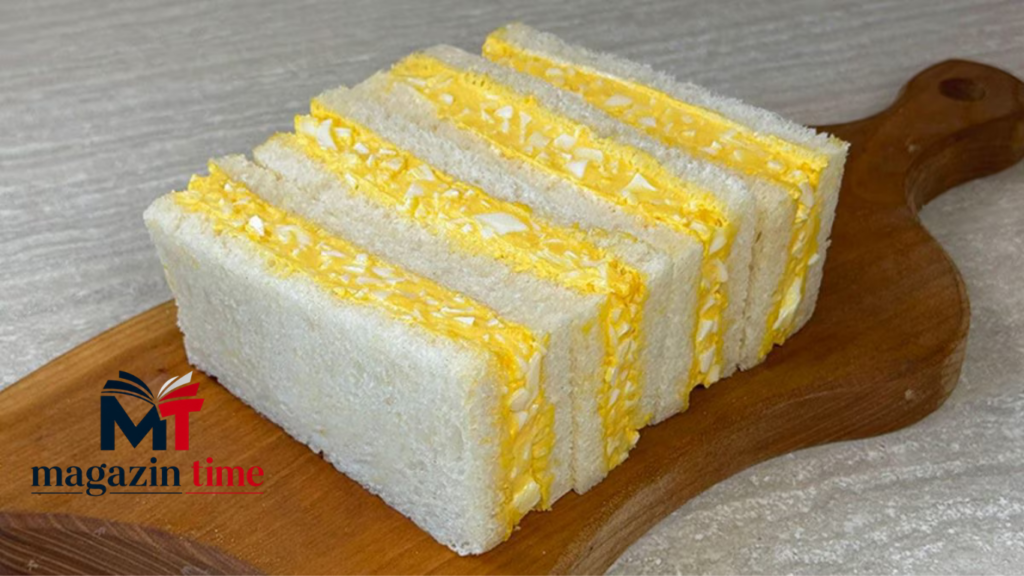
Several key factors distinguish the Japanese version from other egg salad sandwiches. First is the bread. Shokupan has a fine, cotton-like crumb that compresses slightly when bitten, creating a satisfying mouthfeel without sogginess. The crusts are often trimmed for a cleaner presentation, especially in upscale versions.
The filling relies heavily on Kewpie mayonnaise, which contains egg yolks and rice vinegar for a smoother, more umami-rich profile. Chefs and home cooks often mash the eggs to varying degrees — some prefer larger chunks for texture, while conbini versions tend toward a creamier consistency. A touch of salt, pepper, and sometimes a hint of mustard or sugar completes the seasoning.
Portion control and freshness are also crucial. Japanese egg salad sandwiches are typically made fresh daily and packaged to maintain the bread’s softness, avoiding the rubbery or watery texture that can plague poorly made versions elsewhere.
How to Make the Perfect Japanese Egg Salad Sandwich at Home
Creating an authentic tamago sando is straightforward but rewards precision. Start by boiling eggs to a just-set consistency — usually around 10–12 minutes for hard-boiled. Peel them carefully, then separate the yolks and whites if aiming for a layered texture, or chop everything together for simplicity.
Mix the chopped eggs generously with Kewpie mayonnaise (or a close equivalent), seasoning lightly. Some recipes suggest a brief chill to allow flavours to meld. Slice the shokupan (or a good-quality milk bread) evenly, spread the filling generously but not excessively, and press the sandwich gently before cutting into triangles or rectangles. Many enthusiasts recommend removing the crusts for the classic conbini aesthetic.
Variations exist: some add a layer of lettuce for crunch, while others experiment with furikake, cheese, or even a touch of wasabi. However, purists argue that restraint honours the original.
The Japanese Egg Salad Sandwich on the Global Stage
In recent years, the Japanese egg salad sandwich has experienced a surge in popularity outside Japan. Food enthusiasts in the UK, the US, Australia, and beyond have embraced it through social media, recipe blogs, and the expansion of Japanese bakeries and cafés. In London, for instance, several spots now offer elevated sandos, bringing a taste of Tokyo to British high streets.
Its appeal lies in its versatility as both a quick snack and a base for creative interpretations. High-end restaurants have featured gourmet versions with wagyu or truffle accents, while home cooks appreciate its affordability and ease. The sandwich has also become a favourite among travellers returning from Japan, who seek to recreate the conbini experience at home.
Personal Twists and Modern Interpretations
While the classic remains beloved, modern twists keep the Japanese egg salad sandwich relevant. Some incorporate Japanese ingredients like mentaiko (spicy cod roe) or yuzu kosho for brightness. Others focus on dietary adaptations, such as using plant-based mayonnaise or egg alternatives.
In the UK, where afternoon tea and sandwich culture have deep roots, the tamago sando offers an appealing cross-cultural bridge — lighter than many British egg mayo sandwiches yet equally comforting.
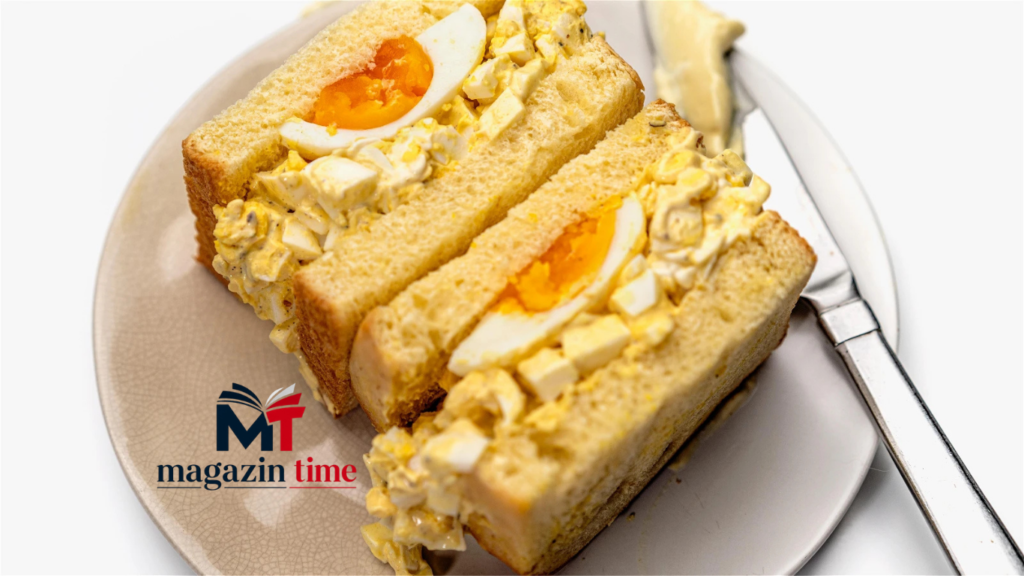
Quick Facts About the Japanese Egg Salad Sandwich
| Detail | Information |
| Full Name | Tamago Sando (Japanese Egg Salad Sandwich) |
| Origin | Japan (popularised by conbini stores) |
| Key Ingredients | Shokupan (milk bread), hard-boiled eggs, Kewpie mayonnaise |
| Typical Serving | Triangular or rectangular halves, often crustless |
| Cultural Role | Everyday comfort food and conbini icon |
| Global Popularity | High, especially among food tourists and home cooks |
Why the Japanese Egg Salad Sandwich Continues to Captivate
The Japanese egg salad sandwich’s lasting impact stems from its embodiment of thoughtful simplicity. In an era of complex gastronomic trends, it reminds us that perfection often lies in refining the basics. Its influence extends beyond food, inspiring appreciation for Japanese culinary philosophy worldwide — where quality, seasonality, and balance take centre stage.
Public perception remains overwhelmingly positive, with many ranking it among the best sandwiches globally. It has taught generations of food lovers that convenience need not compromise excellence.
The journey of the Japanese egg salad sandwich from local staple to international sensation highlights the power of cultural exchange through everyday pleasures. Its story encourages us to find joy in simple, well-executed creations.