
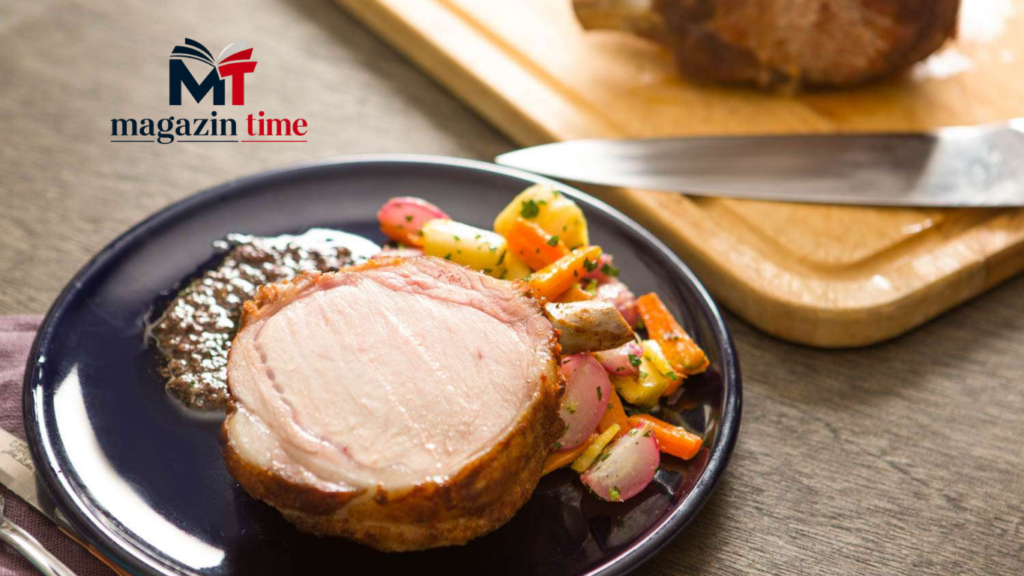

A proper roast pork loin recipe sits at the heart of many British Sunday tables. Juicy meat, golden crackling that snaps between the teeth, and a rich gravy made from the pan juices – few dishes deliver the same sense of comfort and occasion. Whether you are cooking for a family gathering or simply want a reliable centrepiece that feels special without being complicated, a well-executed roast pork loin recipe rewards a little care with outstanding results.
The appeal is straightforward. Pork loin is lean yet forgiving when treated correctly, and the scored rind transforms into that prized crackling everyone fights over. Pair it with roast potatoes, seasonal greens and a sharp apple sauce, and you have a meal that feels both traditional and thoroughly satisfying. This guide walks through the essential steps, the science behind perfect crackling, timing, and the small details that turn a good joint into an excellent one.
Choosing the Right Joint
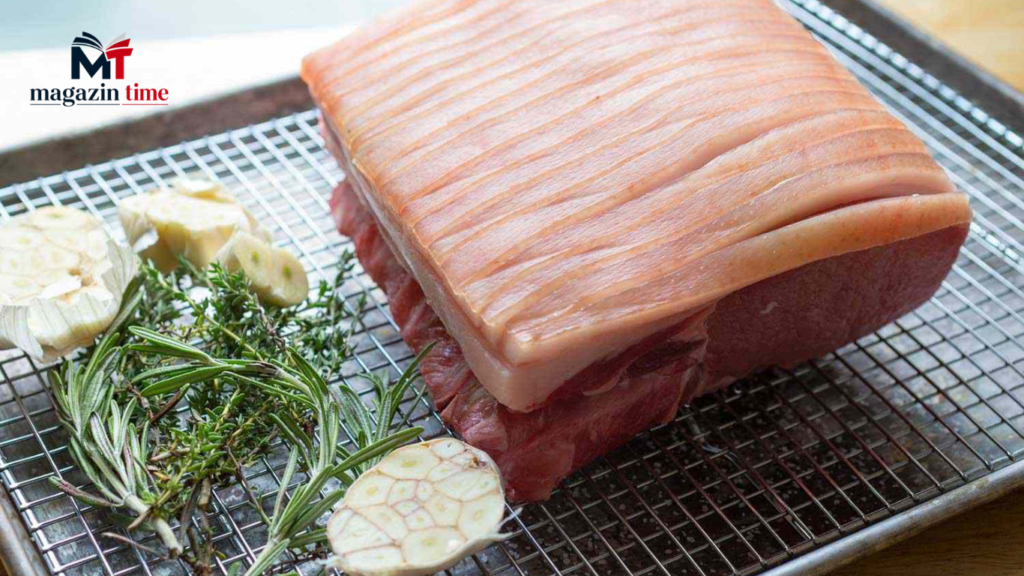
Start with a good piece of meat. Look for a loin joint with the skin still attached and a decent layer of fat underneath – ideally around 1.5–2 kg for four to six people. Bone-in joints often deliver more flavour, though boneless are easier to carve. Ask the butcher to score the skin deeply in parallel lines about 1 cm apart if it is not already done; this helps the fat render and the crackling form evenly. Free-range or higher-welfare pork tends to have better flavour and texture.
Pat the joint dry thoroughly with kitchen paper as soon as you bring it home. Moisture is the enemy of crackling. For the best results, leave the joint uncovered on a plate in the fridge overnight. This air-drying step makes a noticeable difference.
Preparing the Pork for Perfect Crackling
On the day of cooking, take the joint out of the fridge an hour ahead so it comes to room temperature. This promotes even cooking. Score the skin again if needed, taking care not to cut into the flesh. Rub a generous amount of coarse sea salt into the scored rind, working it into every groove. Some cooks add a light drizzle of oil; others prefer salt alone. A little freshly ground black pepper on the flesh side is welcome, along with optional flavourings such as crushed garlic, fennel seeds, rosemary or thyme rubbed into the meat.
A classic method involves pouring boiling water carefully over the skin to help render the fat before drying and salting. Many experienced cooks swear by this. Whatever approach you choose, keep the skin as dry as possible before it goes into the oven.
The Roast Pork Loin Recipe Method
Preheat the oven to a high temperature – typically 220–240°C (200–220°C fan)/Gas 7–9. Place the joint skin-side up on a rack or directly in a roasting tin, ideally resting on a bed of roughly chopped onion, carrot or apple for extra flavour in the gravy. Roast at the high heat for 20–30 minutes. This initial blast starts the crackling process and colours the exterior.
Reduce the temperature to 180–190°C (160–170°C fan)/Gas 4–5 and continue cooking. A reliable guide is roughly 25–35 minutes per 500 g, plus an extra 20–25 minutes, depending on the exact cut and your preferred doneness. For a 1.5 kg joint this often works out at around 1½–2 hours total. The most accurate way to check is with a meat thermometer: aim for an internal temperature of about 70–75°C in the thickest part for well-cooked British-style pork, or slightly lower if you prefer a blush of pink (modern guidance allows 63°C followed by resting). Juices should run clear when pierced with a skewer.
There is no need to baste constantly; the fat layer keeps the meat moist. If the crackling is not yet crisp enough towards the end, a short blast under a hot grill or a few extra minutes at high heat usually finishes the job – watch it carefully so it does not burn.
Resting and Making Gravy
Once cooked, transfer the joint to a warm plate or board, cover loosely with foil and rest for at least 15–30 minutes. Resting allows the juices to redistribute, keeping the slices moist.
While it rests, make the gravy. Tip away excess fat from the roasting tin, leaving the browned bits and a little of the flavourful residue. Place the tin over a medium heat on the hob, sprinkle in a spoonful of plain flour and cook for a minute, scraping up the sediment. Gradually add stock, dry cider or a mixture of both, stirring until smooth and thickened. Season to taste. Strain if you prefer a smoother sauce. A spoonful of wholegrain mustard or a touch of honey can add welcome depth.
Serving Suggestions and Accompaniments
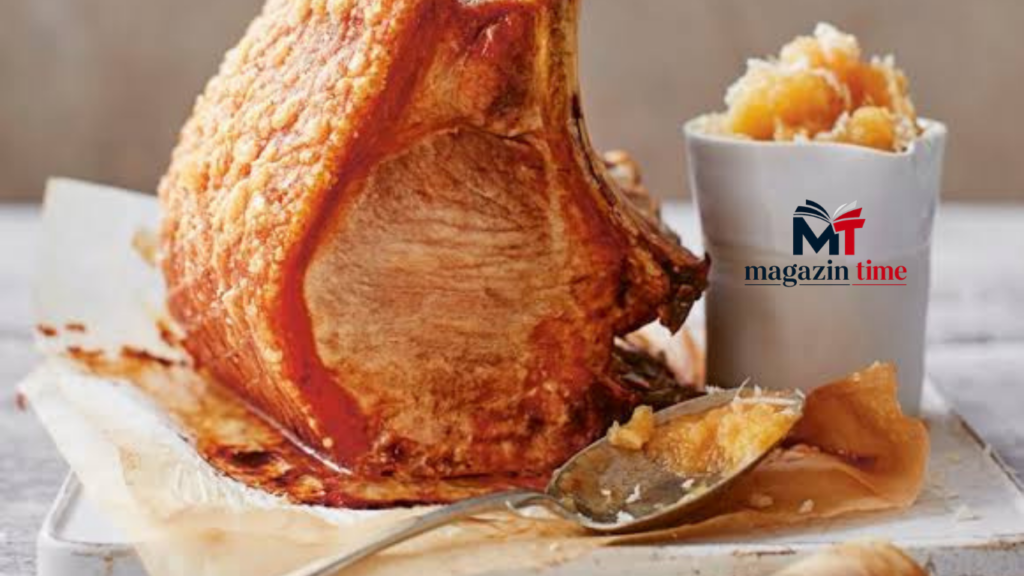
Carve the meat into neat slices and break the crackling into pieces. Serve with classic roast potatoes (parboiled, then roasted in hot fat until golden), buttered greens such as cabbage, kale or cavolo nero, and a generous spoonful of apple sauce. Homemade apple sauce is simple: peel and chop Bramley apples, cook gently with a little sugar, water and a knob of butter until soft and fluffy. Some cooks add a pinch of cinnamon or a splash of cider vinegar for brightness.
Yorkshire puddings work surprisingly well with pork, and a glass of dry cider or a light red wine complements the flavours nicely. Leftovers are excellent cold in sandwiches the next day or reheated gently in a little gravy.
Common Pitfalls and How to Avoid Them
Soggy crackling usually comes from insufficient drying or not scoring deeply enough. Overcooking dries out the lean meat of the loin, so a thermometer is worth the investment. Crowding the tin can cause steaming rather than roasting, so give the joint space. Finally, resist the urge to keep opening the oven door; each time the temperature drops and cooking slows.
Why This Roast Pork Loin Recipe Endures
The beauty of a classic roast pork loin recipe lies in its balance of simplicity and reward. With attention to the skin, sensible timing and a proper rest, the results are reliable and impressive. It is a dish that connects generations of British home cooking – practical, generous and deeply satisfying. Once you have mastered the basic method, small variations (fennel and garlic, cider and apples, herbs under the skin) keep it interesting without straying from the core appeal.
Conclusion
Whether you cook it for a quiet Sunday or a larger celebration, the combination of tender meat and shatteringly crisp crackling rarely disappoints. Take the time to dry the skin, season confidently, and trust the process. The aroma that fills the kitchen and the first satisfying crack of the crackling at the table make every step worthwhile.