
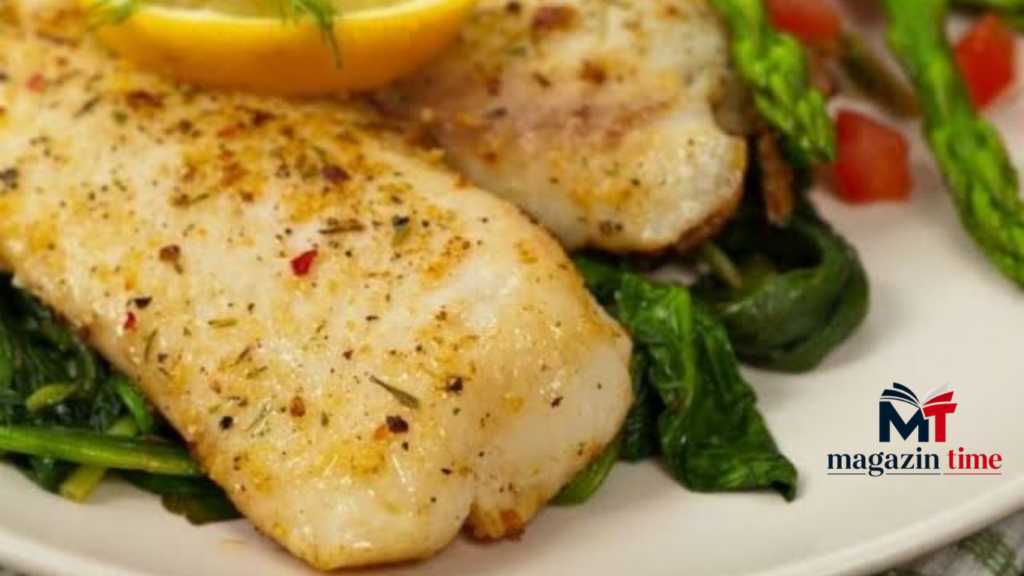

Looking for a simple, healthy midweek dinner that delivers real flavour without fuss? An oven tilapia recipe ticks every box. Mild, affordable and quick to cook, tilapia fillets turn beautifully flaky in a hot oven, soaking up lemon, garlic and herbs while staying moist and tender.
This approach has become a favourite in British kitchens for good reason. It needs minimal prep, uses everyday ingredients and pairs effortlessly with whatever vegetables or grains you have to hand. Whether you are feeding a family or cooking for one, a reliable tilapia recipe oven method gives consistent results every time.
In the sections that follow you will find a classic lemon-garlic version, useful variations, practical tips on timing and temperature, and ideas for serving. Everything is designed to work with standard UK oven settings and readily available supermarket fish.
Why Choose Tilapia for the Oven?
Tilapia is a mild white fish with a delicate texture that suits baking particularly well. Unlike stronger-flavoured species, it takes on seasoning without overpowering the plate. It is also relatively inexpensive and widely stocked, both fresh and frozen.
Baking keeps the fish moist better than frying for many home cooks, and it requires far less oil. The high, dry heat of the oven cooks the fillets evenly while the surface develops a light golden edge. Most fillets of average thickness need only 12–15 minutes at 200°C, making this one of the fastest proper dinners you can put on the table.
Nutritionally it offers lean protein with useful amounts of B vitamins and minerals. Paired with vegetables and a squeeze of citrus it becomes a balanced, satisfying meal that feels lighter than many midweek options.
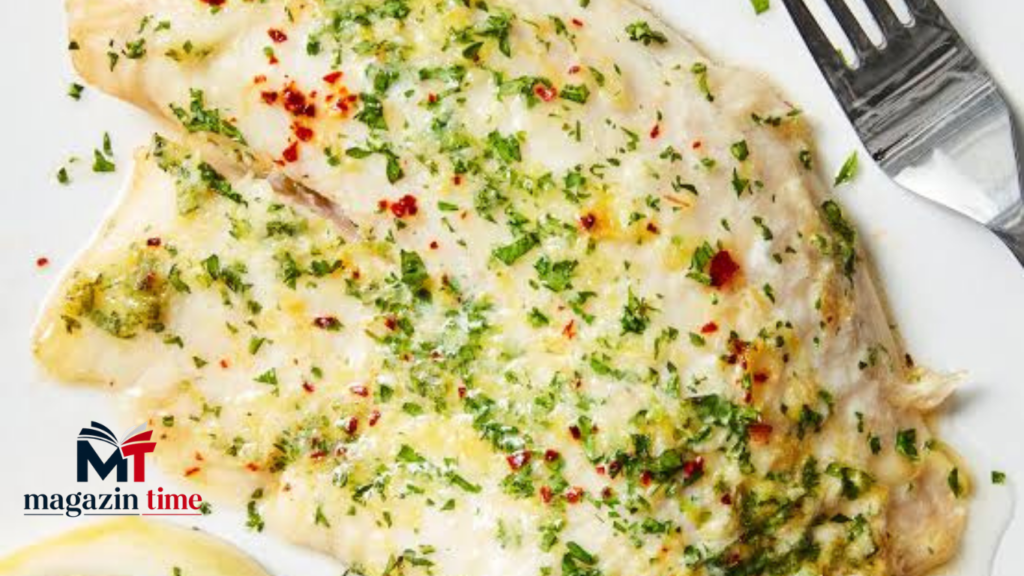
Classic Lemon-Garlic Oven Tilapia Recipe
This straightforward version uses butter or olive oil, garlic, lemon and a few dried herbs. It serves four and can be on the table in about 20 minutes from start to finish.
Ingredients
- 4 tilapia fillets (about 150–180 g each), fresh or fully thawed
- 2–3 tablespoons olive oil or 40 g unsalted butter, melted
- 3–4 garlic cloves, finely minced or crushed
- Juice and zest of 1 large lemon
- 1 teaspoon paprika (sweet or smoked)
- ½ teaspoon dried oregano or mixed herbs
- Salt and freshly ground black pepper
- Optional: a pinch of chilli flakes, a few lemon slices, chopped fresh parsley for serving
Method
- Preheat the oven to 200°C (fan 180°C / gas mark 6). Line a baking tray or shallow dish with baking parchment for easy cleaning.
- Pat the tilapia fillets thoroughly dry with kitchen paper. This step is important – excess moisture steams the fish instead of allowing it to bake cleanly.
- Place the fillets in a single layer on the prepared tray. Season both sides lightly with salt and pepper.
- In a small bowl mix the olive oil or melted butter with the garlic, lemon juice, zest, paprika and oregano. Spoon or brush the mixture evenly over the fish. Lay a couple of thin lemon slices on top if you like.
- Bake for 12–15 minutes. The exact time depends on thickness. The fish is ready when it is opaque throughout and flakes easily when pressed gently with a fork. An instant-read thermometer inserted into the thickest part should read 63°C.
- Remove from the oven, rest for a minute, then scatter with chopped parsley and an extra squeeze of lemon. Serve at once.
Timing, Temperature and Doneness Tips
Most recipes settle on 200°C as the sweet spot. Higher heat (220°C) works for thinner fillets and gives a slightly crisper edge; lower heat (180–190°C) suits thicker pieces or when baking alongside denser vegetables.
Always start checking at the 10-minute mark. Tilapia overcooks quickly and becomes dry or rubbery if left too long. Thicker loins may need closer to 15–17 minutes; very thin fillets can be done in 10–12. Frozen fillets that have not been fully thawed will take longer and release more liquid, so thaw them overnight in the fridge whenever possible.
A reliable sign of doneness is the change from translucent to opaque white flesh that separates into large flakes. Carry-over cooking continues for a minute or two after the tray leaves the oven, so err on the side of slightly under rather than over.
Easy Variations on the Basic Tilapia Recipe Oven Method
Once you have the core technique, small changes keep the dish interesting.
Mediterranean sheet-pan style
Scatter cherry tomatoes, sliced courgette, red pepper strips and a few garlic cloves around the fish. Drizzle everything with olive oil, season, and bake at 200°C for 15–18 minutes. Finish with a handful of crumbled feta or a few capers.
Garlic-butter with herbs
Increase the butter, add fresh thyme or parsley to the sauce, and place thin lemon rounds underneath the fillets so they steam gently in the citrus juices.
Spiced version
Swap the paprika and oregano for a light dusting of cumin, coriander and a pinch of cayenne. A squeeze of lime works especially well here.
Crispy topping
Mix a tablespoon of melted butter with a handful of panko breadcrumbs, a little grated Parmesan and chopped parsley. Press the mixture onto the fillets for the final 5 minutes of baking, or flash under a hot grill for 1–2 minutes at the end.
These adaptations still rely on the same reliable oven method, so the cooking time stays broadly similar.
What to Serve with Oven-Baked Tilapia
The mild flavour of tilapia pairs with almost any side. Classic choices include:
- Steamed or roasted new potatoes with a little butter and parsley
- Fluffy rice or quinoa to soak up the lemony juices
- A simple green salad or wilted spinach
- Roasted broccoli, asparagus or mixed Mediterranean vegetables cooked on the same tray
- Crusty bread for mopping up the pan juices
For a lighter plate, serve the fish over a bed of dressed leaves with extra lemon wedges on the side. Leftovers keep in the fridge for up to two days and reheat gently in a covered dish at 160°C so they do not dry out.
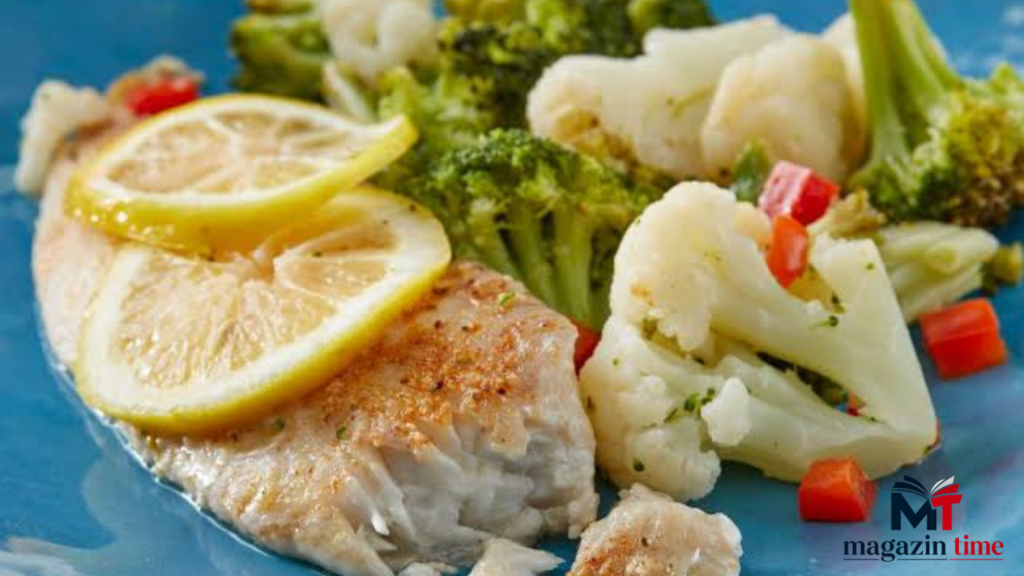
Practical Advice for Perfect Results Every Time
Choose fillets of even thickness if possible. Pat them dry, season simply, and do not overcrowd the tray. If the fish looks very wet after thawing, blot again just before seasoning.
Fresh herbs lift the finished dish, but dried herbs work perfectly in the marinade. A final sprinkle of parsley or a few chilli flakes adds colour and brightness without extra effort.
If you prefer to cook from frozen, increase the time by 5–8 minutes and expect a little more liquid in the dish. Many cooks still prefer the texture of properly thawed fish.
Conclusion
A well-executed tilapia recipe oven method proves that simple ingredients and careful timing produce excellent results. The combination of gentle heat, bright lemon and aromatic garlic turns an inexpensive fillet into a satisfying, restaurant-quality plate in less than half an hour.