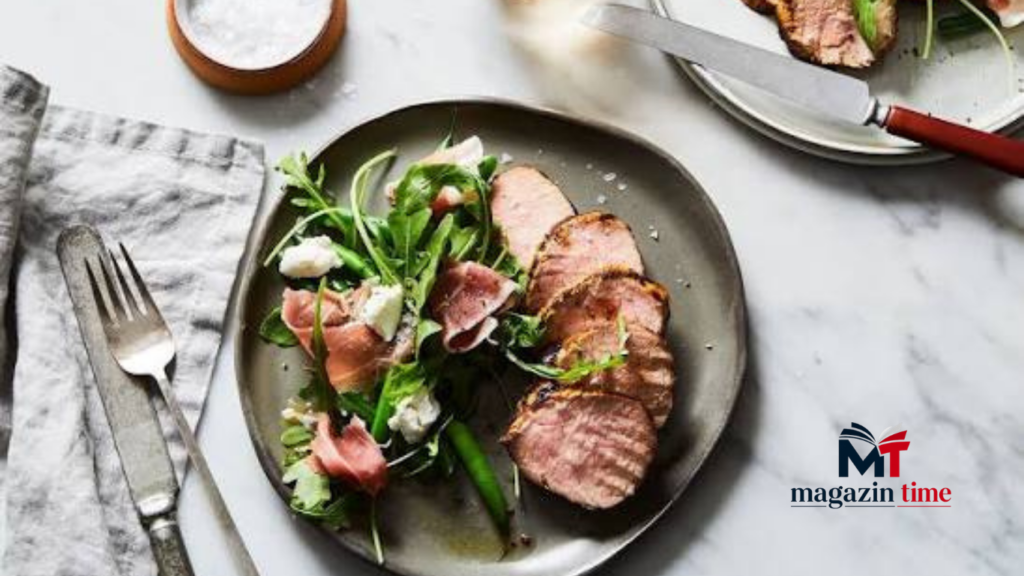

Few cuts of meat reward careful grilling quite like pork loin. Lean yet flavourful when handled properly, it takes beautifully to smoke, herbs and simple marinades. Whether you are firing up the barbecue for a weekend gathering or looking for a reliable midweek centrepiece, grilled pork loin recipes offer versatility without demanding hours of attention. In the UK, where outdoor cooking has become a year-round pleasure for many, this cut has earned a firm place alongside the usual sausages and steaks.
Pork loin sits between the more delicate tenderloin and the richer shoulder. It comes from the back of the animal and is typically sold boneless as a joint or cut into thick steaks. When grilled with care it stays moist, develops an appealing crust and pairs effortlessly with seasonal British produce. The following guide explores practical techniques, reliable recipes and the small details that separate dry, lacklustre results from something truly satisfying.
Understanding Pork Loin and How to Choose It
Pork loin is not the same as pork tenderloin. The loin is wider and longer, with a mild flavour that benefits from seasoning or a short marinade. Look for a piece with a thin layer of fat still attached; this helps baste the meat as it cooks. A boneless joint of around 1.5–2 kg feeds six to eight people comfortably, while individual loin steaks of 2–2.5 cm thickness cook more quickly for smaller numbers.
Freshness matters. Choose meat that is pink rather than grey, with firm texture and no strong odour. If buying from a butcher, ask for the blade end if available; it tends to be a little more marbled and forgiving on the grill. Many UK supermarkets now offer higher-welfare options that deliver better flavour and texture.
Essential Techniques for Successful Grilled Pork Loin
Success rests on three pillars: preparation, heat management and resting.
Pat the meat dry with kitchen paper before seasoning. Moisture on the surface steams rather than sears. A light coating of oil helps spices adhere and encourages browning. Salt can be applied an hour or two ahead if time allows; it draws out a little moisture then is reabsorbed, seasoning the meat more evenly.
Set up a two-zone fire on a charcoal barbecue or use the burners on a gas grill to create direct and indirect heat areas. Sear the pork over the hotter zone to develop colour, then move it to the cooler side to finish gently. This approach prevents the exterior from overcooking while the centre reaches the safe temperature of 63 °C. An instant-read thermometer is the most reliable tool; colour alone is not a dependable guide.
Rest the cooked joint or steaks under loose foil for 10–15 minutes. Carry-over heat will raise the internal temperature a few degrees further, and the juices redistribute so they stay in the meat rather than running onto the board.
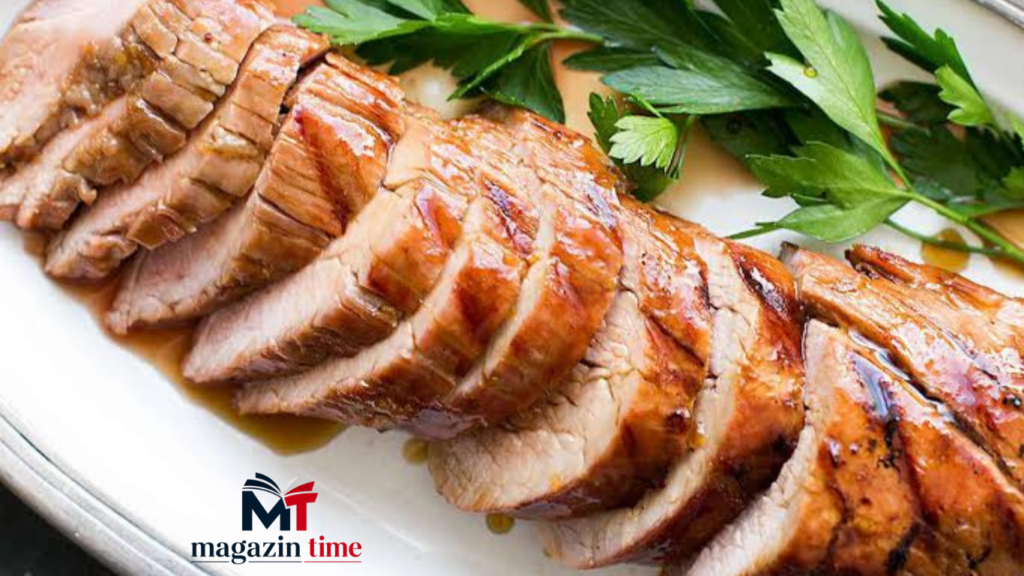
Classic Herb-Crusted Grilled Pork Loin
This straightforward recipe suits a Sunday barbecue or any occasion when you want impressive results without complexity. It draws on familiar British herb flavours while remaining light enough for warmer weather.
Ingredients (serves 6–8)
- 1.8–2 kg boneless pork loin, trimmed of excess fat but with a thin layer left on
- 3 tbsp olive oil
- 4 garlic cloves, finely crushed
- 2 tbsp fresh rosemary, chopped
- 2 tbsp fresh thyme leaves
- 1 tbsp fresh sage, chopped
- 2 tbsp Dijon mustard
- 1 tsp flaky sea salt
- Freshly ground black pepper
Mix the garlic, herbs, mustard, oil, salt and pepper into a thick paste. Rub it thoroughly over the pork, working it into any crevices. Leave at room temperature for 30–40 minutes, or cover and refrigerate for up to four hours (bring back to room temperature before grilling).
Prepare the barbecue for medium-high direct heat with a cooler zone alongside. Place the pork fat-side up over the hotter area and sear for 4–5 minutes until golden. Turn and sear the remaining sides. Move to the cooler zone, close the lid and cook for 35–50 minutes, turning once or twice, until the thickest part registers 60–62 °C. Transfer to a board, tent with foil and rest for 12–15 minutes. Slice against the grain into thick pieces and serve.
The herb crust forms a fragrant, slightly crisp exterior while the interior stays tender. Leftovers make excellent cold sandwiches the next day.
Sticky Barbecue Pork Loin Steaks
For a quicker option, thick-cut loin steaks take well to a sticky glaze. This version balances sweetness with a touch of sharpness that cuts through the richness of the pork.
Ingredients (serves 4)
- 4 pork loin steaks, about 2 cm thick
- 3 tbsp cider vinegar
- 3 tbsp soy sauce
- 3 tbsp tomato ketchup
- 1 tbsp runny honey
- 1 tbsp soft dark brown sugar
- ½ tbsp English mustard
- 1 tsp smoked paprika
- Salt and black pepper
Combine the vinegar, soy sauce, ketchup, honey, sugar, mustard and paprika. Place the steaks in a shallow dish or resealable bag, pour over the marinade and turn to coat. Refrigerate for at least three hours, ideally overnight. Remove from the fridge an hour before cooking so the meat is not fridge-cold.
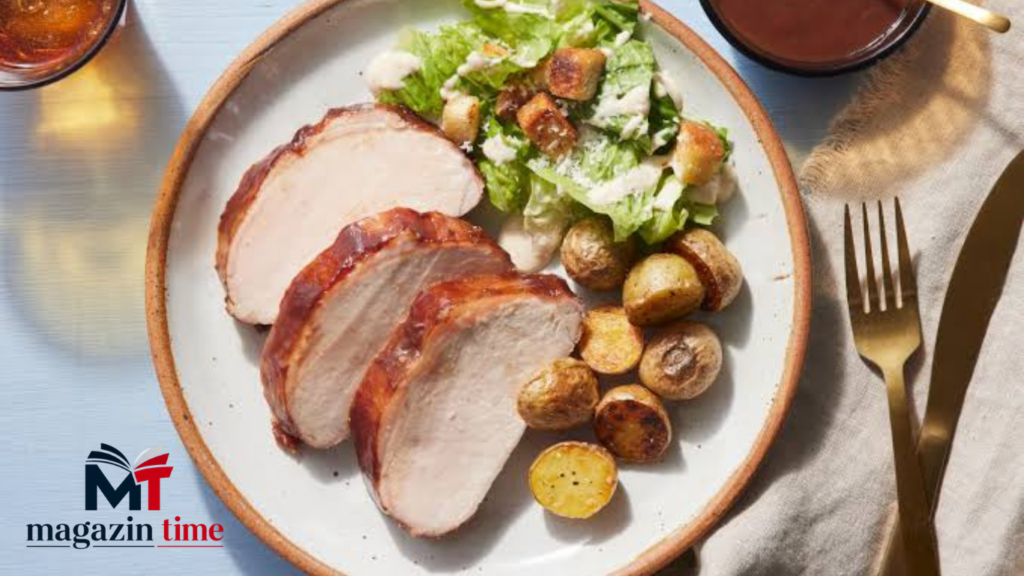
Heat the barbecue to medium. Shake excess marinade from the steaks and reserve the liquid. Grill for 4–5 minutes per side, turning occasionally, until the internal temperature reaches 63 °C and the surface is nicely glazed. Meanwhile, tip the remaining marinade into a small pan and simmer for two minutes until slightly reduced. Rest the steaks for 8–10 minutes, then spoon over the warm glaze.
Serve with simple coleslaw or new potatoes. The reduced marinade becomes a glossy finishing sauce without any additional ingredients.
Spiced and Marinated Variations
Once the basic method is mastered, variation is easy. A Moroccan-inspired rub of ground coriander, cumin, a little cinnamon, brown sugar and chilli powder creates a warmly spiced crust that pairs well with yoghurt and flatbreads. For a brighter profile, try a paste of lemon zest and juice, garlic, fresh coriander and olive oil; the citrus lifts the mild pork without overpowering it.
A short brine (salt and water with a spoonful of sugar) for three to four hours can add insurance against dryness, particularly with leaner joints. Rinse and dry thoroughly afterwards, then apply your preferred seasoning. Avoid very long acidic marinades, which can turn the texture mushy if left beyond 24 hours.
Serving Suggestions and Complementary Sides
Grilled pork loin shines with both classic and lighter accompaniments. Apple sauce or a quick apple and celeriac slaw provides traditional contrast. Grilled seasonal vegetables—asparagus, courgettes or peppers—echo the outdoor cooking method. A simple potato salad dressed with mustard and herbs, or creamy beans finished with rosemary, rounds out the plate.
For larger gatherings, slice the joint and arrange it on a platter with lemon wedges, extra fresh herbs and a bowl of mustard or chimichurri-style sauce. The mild flavour of the pork acts as a blank canvas, so residual heat from the grill can also finish a tray of tomatoes or spring onions alongside.
Practical Tips and Common Pitfalls
Always use a thermometer rather than relying on timing alone; thickness, starting temperature and outdoor conditions all affect cooking speed. Do not press the meat with a spatula while it cooks—that forces out juices. If flare-ups occur from dripping fat, move the pork to the cooler zone temporarily. Over-marinating in highly acidic mixtures or cooking well past 63 °C are the two most common reasons for dryness.
Store leftovers covered in the refrigerator for up to three days. Reheat gently or enjoy cold. The cooked meat freezes well for later use in salads or sandwiches.
Key Facts at a Glance
| Detail | Information |
| Best cut | Boneless pork loin joint or steaks |
| Safe internal temperature | 63 °C (145 °F), then rest |
| Typical joint size | 1.5–2 kg for 6–8 people |
| Preferred method | Two-zone grilling (sear then indirect) |
| Resting time | 10–15 minutes |
| Flavour partners | Herbs, mustard, apple, citrus, spice |
Conclusion
Grilled pork loin recipes endure because they balance accessibility with rewarding results. The cut is widely available, relatively economical and adaptable to British tastes and produce. Mastering a few core techniques—dry surface, controlled heat, accurate temperature and proper resting—turns an everyday piece of meat into something special. Whether the preference is a classic herb crust, a sticky barbecue glaze or a spiced variation, the fundamentals remain the same and the scope for personal interpretation is wide.