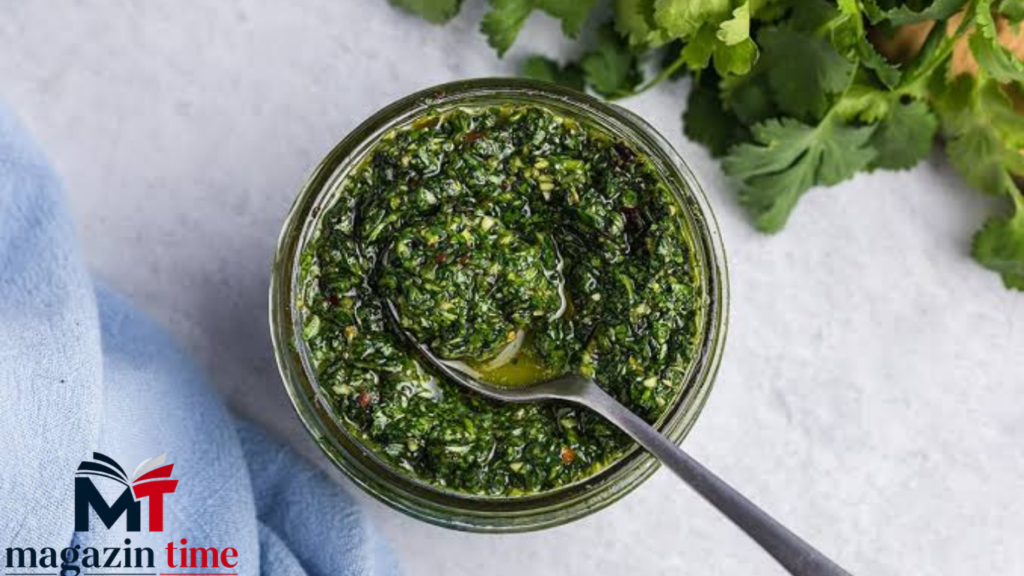

Chimichurri sauce is a fresh, uncooked herb-based condiment that has become synonymous with the bold flavours of South American grilling. Originating in Argentina and Uruguay, this vibrant green (and sometimes red) sauce brings together parsley, garlic, olive oil, vinegar, and spices in a bright, tangy explosion that cuts through rich, charred meats. Whether spooned over a perfectly cooked steak at an asado or drizzled on vegetables, chimichurri sauce adds freshness and depth without overpowering the main ingredient.
Its appeal lies in its simplicity and versatility. In a world of complex sauces and reductions, chimichurri stands out for being quick to prepare, requiring no cooking, and delivering restaurant-quality results at home. Food enthusiasts worldwide have embraced it, moving far beyond its traditional roots to use it in everything from marinades to salad dressings. This article explores the story of chimichurri sauce, its classic preparation, modern twists, and why it continues to captivate cooks and diners alike.
Origins and History of Chimichurri Sauce
The precise beginnings of chimichurri sauce remain somewhat shrouded in legend, but its roots trace back to the culinary traditions of Argentina and Uruguay in the 19th century. One popular tale attributes its creation to Jimmy McCurry, an Irish immigrant who supposedly mixed local ingredients to recreate a sauce reminiscent of Worcestershire. Over time, the name evolved in the local accent into “chimichurri.”
More reliably, the sauce reflects the fusion of European immigrant influences—particularly from Spanish, Basque, and Italian settlers—with indigenous practices. Early versions likely drew from herb-based mixtures common in Basque and Galician cuisines, adapted to the pampas region where grilling large cuts of beef became central to social life. Indigenous communities in the Andes already used local herbs, chillies, and aromatics in sauces, providing a foundation that blended with Old World ingredients like garlic, olive oil, and vinegar.
Chimichurri sauce gained prominence alongside the asado, the traditional Argentine barbecue. As gauchos and later urban families gathered around open fires, this bright accompaniment balanced the heaviness of grilled meats. Today, it is a staple not only in Argentina and Uruguay but across much of Latin America, with each country and even household adding its own character.
What Makes Chimichurri Sauce Unique: Ingredients and Preparation
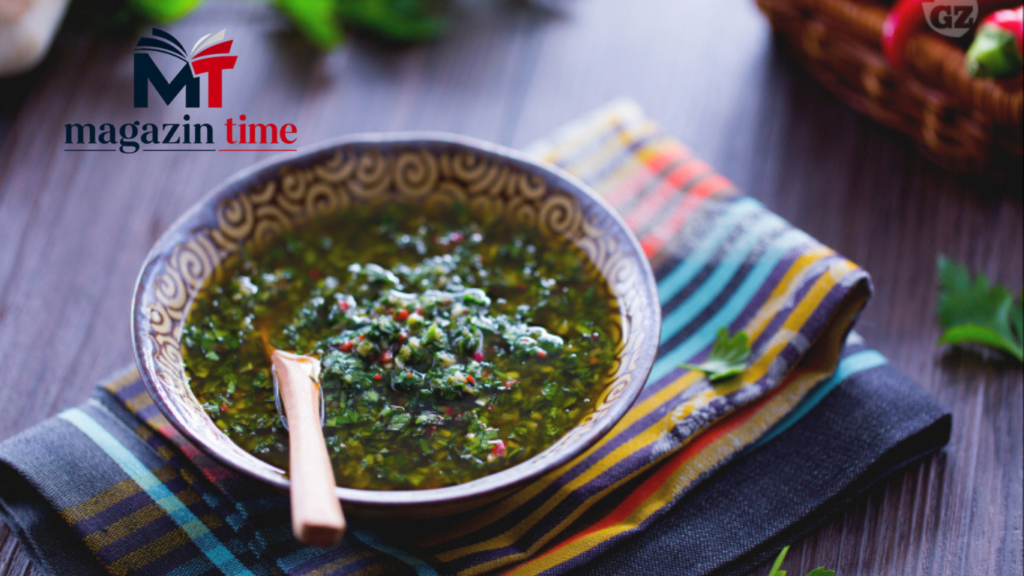
At its heart, traditional chimichurri sauce is remarkably straightforward. The green variety (chimichurri verde) typically features:
- Finely chopped flat-leaf parsley as the base
- Fresh or dried oregano
- Minced garlic
- Red wine vinegar or lemon juice for acidity
- Olive oil (or sometimes sunflower oil)
- Chilli flakes or fresh red chillies for heat
- Salt and black pepper
Some recipes include finely chopped onion or shallot, a touch of cumin, or even coriander (cilantro), though purists often stick closer to the parsley-oregano core.
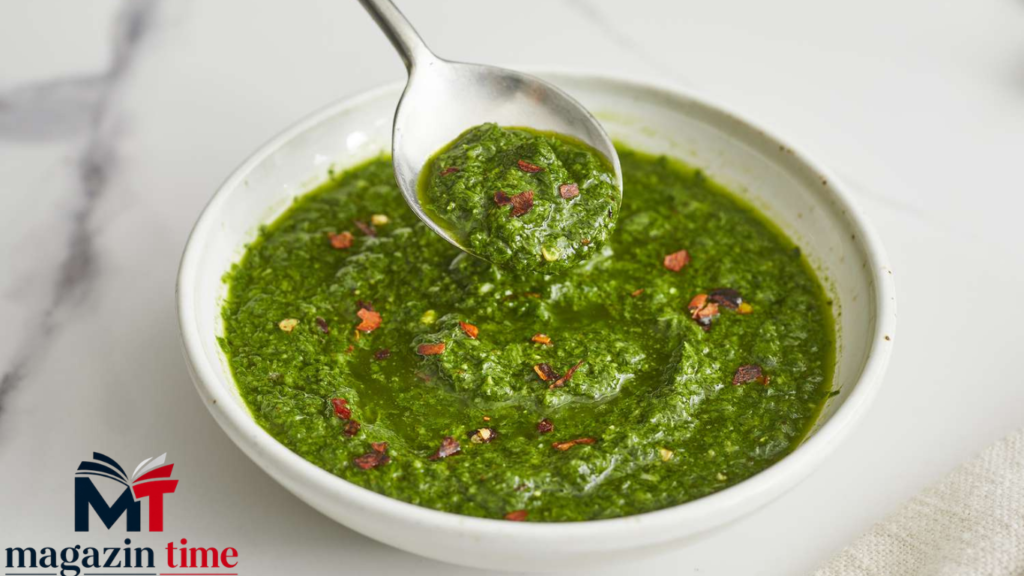
Preparation is delightfully simple and best done by hand for texture. Chop the herbs finely—avoid puréeing into a paste unless preferred—then whisk with oil, vinegar, and seasonings. The sauce benefits from resting for 10–30 minutes (or longer in the fridge) to allow flavours to meld. Many cooks make a larger batch, as it keeps well refrigerated for up to a week.
Red chimichurri (chimichurri rojo) swaps in roasted red peppers, tomatoes, or paprika for a deeper, smokier profile, offering a delicious alternative for those seeking more body.
The balance of fresh, herbaceous notes against sharp acidity and subtle spice is what sets chimichurri sauce apart from similar condiments like pesto or salsa verde. It is uncooked, preserving the vivid colour and raw vibrancy of the ingredients.
Traditional Uses in South American Cuisine
Chimichurri sauce is most famously paired with grilled meats. At an authentic asado, it accompanies churrasco (grilled steak), chorizo, morcilla (blood sausage), and various cuts of beef. It is used both as a marinade before cooking and as a finishing sauce.
Beyond steak, it shines with roasted or grilled poultry, fish, and even vegetables. In Uruguay and Argentina, it often appears alongside empanadas or simple bread for dipping. Its versatility has helped it travel: modern South American chefs use it on everything from grilled halloumi to grain bowls.
The sauce’s role is to enhance rather than dominate. The acidity tenderises and brightens fatty meats, while the herbs provide contrast to smoky char.
Modern Variations and Global Adaptations
As chimichurri sauce has gained international popularity, creative cooks have introduced exciting variations. Some add fresh coriander for a brighter, citrusy note or incorporate mint for a cooling effect. Others experiment with different acids—lime juice in Mexican-inspired versions or balsamic for sweetness.
In the United States and Europe, you will find chimichurri on restaurant menus topping avocado toast, folded into grain salads, or served with roasted root vegetables. Vegan and health-conscious adaptations often increase the herb ratio or use it as a base for dressings.
Fusion examples include chimichurri shrimp, meatballs, or even stirred into mayonnaise for a flavoured aioli. Home cooks appreciate how easily it scales and customises—making it milder for children or spicier for chilli lovers.
Nutritional Benefits of Chimichurri Sauce
Beyond flavour, chimichurri sauce offers notable nutritional perks. Fresh parsley provides vitamins A, C, and K, along with antioxidants. Garlic contributes allicin, known for potential heart-health and immune support. Oregano adds antimicrobial compounds, while high-quality olive oil supplies heart-healthy monounsaturated fats.
Per typical serving, it remains relatively low in calories compared to creamy sauces, though the oil content means moderation is wise. Its fresh ingredients make it a healthier way to add bold taste to meals, encouraging greater vegetable and lean protein consumption.
How to Make Classic Chimichurri Sauce at Home
Creating authentic chimichurri sauce requires minimal equipment. Here is a reliable base recipe yielding about 250ml:
Ingredients:
- 100g fresh flat-leaf parsley, finely chopped
- 2–4 garlic cloves, minced
- 1–2 small red chillies, deseeded and finely chopped (or ½ tsp chilli flakes)
- 1 tsp dried oregano
- 2 tbsp red wine vinegar
- 120ml extra-virgin olive oil
- 1 tsp coarse salt
- ½ tsp freshly ground black pepper
- Optional: 1 small shallot, finely chopped; juice of half a lemon
Method:
- Combine chopped parsley, garlic, chilli, oregano, and shallot (if using) in a bowl.
- Stir in vinegar, salt, and pepper.
- Slowly whisk in olive oil until emulsified.
- Taste and adjust seasoning. Allow to sit for at least 15 minutes before serving.
Store in an airtight container in the refrigerator. Bring to room temperature before use for best flavour.
Experiment with ratios to suit your palate—this is part of the joy of chimichurri sauce.
Pairing Chimichurri Sauce with Different Dishes
While steak remains the classic match, chimichurri sauce elevates countless meals. Try it on grilled salmon or prawns for a lighter option, or spoon over roasted cauliflower and chickpeas for a vegetarian feast. It works beautifully in sandwiches, as a topping for baked potatoes, or mixed into quinoa salads.
For entertaining, serve a bowl alongside a platter of grilled meats and vegetables—guests will appreciate the interactive element. It also makes an excellent gift when jarred beautifully.
Common Questions About Chimichurri Sauce
Is chimichurri sauce spicy? Traditional versions have mild to moderate heat from chillies, but this is easily adjusted.
Can you freeze it? Yes, though the fresh herbs lose some vibrancy. Freeze in ice cube trays for convenient portions.
What is the difference between chimichurri and salsa verde? Both are green herb sauces, but chimichurri features more oregano and vinegar, reflecting its South American roots, while Italian salsa verde often includes capers and anchovies.
The Enduring Appeal of Chimichurri Sauce
Chimichurri sauce embodies the spirit of simple, honest cooking. In an era of fleeting food trends, its staying power comes from authenticity and adaptability. It reminds us that great flavour often arises from quality ingredients treated with respect.
Conclusion
From the sun-drenched grills of Buenos Aires to kitchens worldwide, this humble sauce continues to bring people together. Its bright personality transforms ordinary meals into memorable ones, proving that sometimes the best things in life are the freshest and most straightforward.