


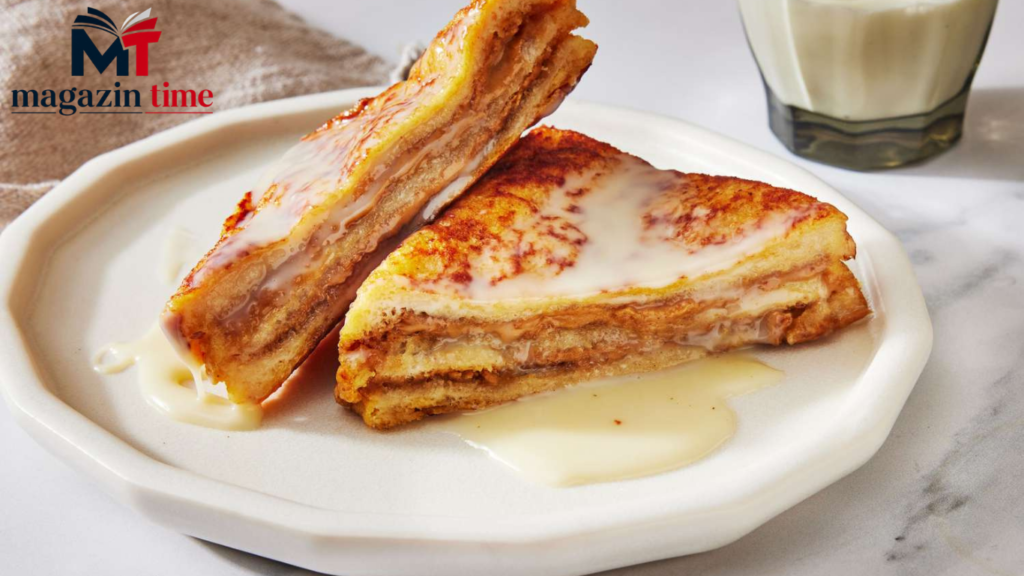
Stuffed French toast elevates the humble breakfast classic into something truly special. Thick slices of bread envelop a creamy, sweet filling—often rich cream cheese—before being dipped in a fragrant egg custard and cooked to golden perfection. The result is a crispy exterior giving way to a luxuriously soft, flavour-packed centre that feels more like dessert than morning fuel.
Whether you’re hosting a leisurely weekend brunch or treating yourself on a slow weekday, this stuffed French toast recipe delivers restaurant-quality results at home. Its versatility shines through endless filling and topping combinations, from fresh berries and maple syrup to chocolate-hazelnut spreads. In this comprehensive guide, we explore the dish’s origins, master a foolproof method, and discover creative twists to make it your own.
The Origins and Enduring Appeal of French Toast
French toast, known as pain perdu (“lost bread”) in France, has roots stretching back to ancient Rome. Early versions appeared in 4th- or 5th-century cookbooks like the Apicius, where cooks revived stale bread by soaking it in milk (and sometimes eggs) before frying. This resourceful technique spread across Europe, appearing in medieval French and German recipes under names like tostées dorées or Arme Ritter (“poor knights”).
The stuffed variation is a more modern delight, gaining popularity in the 20th century as home cooks and diners sought richer breakfast experiences. American diners and chains like IHOP helped popularise cream cheese-stuffed versions, turning a thrift-conscious dish into an indulgent favourite. Today, stuffed French toast appeals because it balances nostalgia with luxury—comfort food that feels celebratory without requiring advanced skills.
Its enduring interest lies in its simplicity and adaptability. With basic pantry staples and a bit of creativity, anyone can produce impressive results. Home cooks love it for special occasions, while families appreciate how it pleases both sweet-toothed adults and children.

Essential Ingredients for Classic Cream Cheese Stuffed French Toast
A great stuffed French toast recipe starts with quality ingredients. Here’s what you’ll need for a classic version serving 4–6 people:
For the filling:
- 225g (8 oz) full-fat cream cheese, softened
- 60–80g (⅓–½ cup) icing sugar, plus extra for dusting
- 1–2 tsp vanilla extract
- Optional: 1–2 tbsp lemon juice or zest for brightness
For the French toast:
- 8–12 thick slices (about 2–2.5 cm / ¾–1 inch) of day-old brioche, challah, Texas toast, or sturdy white bread
- 4 large eggs
- 240ml (1 cup) whole milk or half-and-half
- 1 tsp ground cinnamon
- 1 tsp vanilla extract
- 1–2 tbsp granulated sugar
- Pinch of salt
- Butter or oil for frying
Toppings and add-ins:
- Fresh berries (strawberries, blueberries, raspberries)
- Maple syrup, honey, or buttermilk syrup
- Whipped cream
- Powdered sugar
- Sliced bananas, chopped nuts, or a dusting of cocoa
Day-old bread is crucial—it absorbs the custard without falling apart while maintaining structure for stuffing.
Step-by-Step Guide to Making Stuffed French Toast
1. Prepare the filling
Beat the softened cream cheese with icing sugar and vanilla until smooth and spreadable. Taste and adjust sweetness. For fruit-stuffed versions, gently fold in sliced strawberries tossed with a little sugar, or prepare a jam layer. Chill briefly if the mixture feels too soft.
2. Assemble the sandwiches
Spread a generous layer of filling on one slice of bread, leaving a small border. Top with another slice to form a sandwich. Press gently to seal. Repeat with remaining bread. For extra indulgence, add fresh fruit slices inside.
3. Make the custard dip
In a shallow dish, whisk together eggs, milk, cinnamon, sugar, vanilla, and salt until well combined.
4. Cook to perfection
Heat a large non-stick skillet or griddle over medium heat and add butter. Dip each stuffed sandwich in the egg mixture, coating both sides but avoiding over-soaking. Cook for 3–5 minutes per side until deep golden brown and the filling is warm and melty. Work in batches to avoid crowding. Keep finished pieces warm in a low oven (about 100°C / 200°F).
5. Serve
Dust with icing sugar, pile on fresh berries, and drizzle generously with maple syrup. Add a dollop of whipped cream for true decadence.
Total time is around 30–40 minutes, making it achievable even for relaxed mornings.
Pro Tips for Restaurant-Quality Results
Success with stuffed French toast hinges on a few key techniques. Use thick-cut bread to prevent sogginess and contain the filling. Stale or day-old bread excels at soaking up custard without disintegrating. Avoid thin sandwich bread, which can become mushy.
Control the heat: medium is ideal. Too high, and the outside burns before the centre warms; too low, and it absorbs excess grease. A cast-iron skillet provides even browning.
For crispier results, add a tablespoon of flour to the custard or use a mix of butter and neutral oil. Press sandwiches lightly with a spatula while cooking to ensure even contact with the pan.
Make-ahead friendly: Prepare the filling and assemble sandwiches the night before. Store covered in the fridge, then dip and cook fresh in the morning.
Creative Variations to Try
The beauty of this stuffed French toast recipe lies in its adaptability.
Berry Bliss: Sweetened cream cheese with strawberries or a mix of berries. Top with berry compote.
Nutella Dream: Replace or combine cream cheese with chocolate-hazelnut spread. Add sliced bananas for a banana-Nutella version.
Savory Twist: Though less traditional, try goat’s cheese with herbs and a touch of honey, or cream cheese with smoked salmon for a brunch upgrade.
Seasonal Specials: Apple-cinnamon in autumn with caramel sauce; pumpkin spice cream cheese in winter; or tropical mango and coconut in summer.
Baked Version: For hands-off cooking, arrange assembled sandwiches in a buttered baking dish, pour over custard, and bake at 180°C (350°F) for 25–35 minutes.
Healthier Options: Use whole-grain bread, low-fat cream cheese or Greek yoghurt filling, and egg whites or a reduced-sugar custard. Add protein powder to the filling for a post-workout treat.
Experiment with extracts like almond or orange zest, or spices such as nutmeg and cardamom for subtle warmth.
Pairings and Serving Suggestions
Stuffed French toast shines at brunch tables. Pair with crispy bacon or sausage for salty contrast, or keep it vegetarian with fresh fruit salad. For drinks, fresh orange juice, mimosas, or strong coffee cut through the richness.
It works beautifully for dessert too—serve smaller portions with ice cream or a warm berry sauce. Leftovers (if any) reheat well in a toaster oven or air fryer to restore crispness.
Nutritional Considerations
A single serving of classic cream cheese stuffed French toast provides a satisfying mix of carbohydrates, protein, and fats. Depending on ingredients, it can range from 400–700 calories. Customise for dietary needs: opt for sugar substitutes, dairy-free alternatives, or gluten-free bread. While indulgent, balance it with lighter meals throughout the day.
Quick Recipe Summary
| Detail | Information |
| Prep Time | 15 minutes |
| Cook Time | 15–20 minutes |
| Servings | 4–6 |
| Difficulty | Easy |
| Key Ingredients | Brioche, cream cheese, eggs, milk |
| Best Served | Warm with berries and syrup |
Why Stuffed French Toast Remains a Favourite
This dish captures the essence of comfort cooking: transforming simple ingredients into something memorable. It bridges generations—evoking childhood breakfasts while offering sophisticated adult appeal. Its influence appears in café menus worldwide and countless home kitchens, proving that great food need not be complicated.
Conclusion
The lessons are clear: resourcefulness (using day-old bread), creativity in flavour pairings, and the joy of sharing indulgent moments with loved ones.
In a world of rushed mornings, taking time for a plate of perfectly stuffed French toast reminds us to savour the little luxuries. It’s more than a recipe; it’s an invitation to slow down and enjoy.