
In recent years, protein pasta has moved from niche health-food shelves into mainstream supermarket aisles across the UK and beyond. What was once a specialist product for athletes or those following plant-based diets is now a regular fixture for anyone seeking more balanced, satisfying meals without abandoning the comfort of a bowl of spaghetti or penne.
Traditional pasta delivers reliable energy from carbohydrates but only modest protein, typically around 7–8 grams per serving. Protein pasta changes that equation. By incorporating legumes, pea protein, chickpeas, lentils or wheat protein, these noodles routinely provide 10–20 grams or more of protein per serving, often alongside extra fibre. The result is a familiar favourite that keeps you fuller for longer and fits more easily into higher-protein eating patterns.
Interest continues to grow because protein pasta solves a practical problem. Busy lives leave little time for elaborate high-protein cooking, yet many people want to support muscle maintenance, manage energy levels or simply feel more satisfied after a meal. Protein pasta offers an accessible upgrade that requires no change in cooking method or sauce repertoire.
Early Life and Background
Pasta itself has deep roots. Italian traditions of durum wheat pasta stretch back centuries, while similar noodle forms appear in other cultures far earlier. The modern protein pasta story, however, is much more recent. It emerged from the intersection of two trends: rising awareness of protein’s role in satiety and muscle health, and the search for better gluten-free or lower-glycaemic alternatives.
Early commercial efforts focused on pure legume flours. Chickpea and lentil pastas appeared as naturally higher-protein, gluten-free options. Brands such as Banza, founded in the mid-2010s, helped popularise chickpea pasta by refining texture so that it held its shape and absorbed sauce more convincingly than earlier bean-based attempts. These products appealed first to people avoiding gluten or following plant-based diets, but their protein content quickly attracted a wider audience.
As demand grew, manufacturers experimented with hybrid formulas. Some blended traditional semolina with pea protein, lentil flour or chickpea flour. Others added wheat protein or lupini beans. The goal was to raise protein levels while preserving the familiar bite and neutral flavour that make pasta so versatile. UK retailers responded by stocking both specialist and own-label versions, including higher-protein penne and spaghetti from Tesco and Morrisons.
Career and Rise to Fame
Protein pasta’s breakthrough came as health-conscious consumers and mainstream brands converged. Established Italian names such as Barilla launched Protein+ ranges that mixed semolina with legume flours and pea protein, delivering around 10 grams of protein per serving while tasting remarkably close to classic pasta. Independent brands pushed further: Banza expanded beyond pure chickpea into wheat-protein hybrids; Brami used lupini beans for a distinctive Mediterranean profile; and other producers introduced edamame or black-bean versions with even higher protein counts.
Major milestones include the steady expansion of the category on both sides of the Atlantic and the entry of heritage pasta makers. Italian brands have begun releasing protein-forward lines made with durum wheat and yellow peas or wheat protein, emphasising traditional processing methods alongside modern nutrition. In the UK, supermarket own-label products and ready-meal ranges featuring protein pasta or high-protein pasta dishes have made the option more affordable and convenient.
Public reputation has improved as formulations have matured. Early reviews often noted a slightly earthy taste or softer texture; later products are frequently praised for cooking al dente and pairing well with familiar sauces. Fitness communities, home cooks and nutrition writers have all helped normalise the idea that pasta can contribute meaningfully to daily protein targets rather than merely supply carbohydrates.
Personal Challenges or Turning Points
The path has not been entirely smooth. Early legume pastas sometimes fell apart during cooking or left a lingering bean flavour that clashed with traditional Italian sauces. Consumers accustomed to durum wheat pasta could feel disappointed, and some products carried higher prices that limited everyday use.
Texture and digestibility also presented hurdles. Pure bean pastas can be denser, and certain individuals report digestive sensitivity to high-fibre legume versions. Hybrid formulas addressed many of these issues by retaining enough wheat or adding carefully chosen protein isolates, yet the category still requires careful cooking—over-boiling can still produce a softer result than classic pasta.
Market growth has forced continuous refinement. Brands that once relied solely on chickpeas or lentils now experiment with lupini, fava, pea protein isolates and even wheatgerm-enriched semolina. The turning point for many shoppers has been finding a product that delivers both the protein boost and a sensory experience close enough to regular pasta that the swap feels effortless rather than sacrificial.
Personal Life
Protein pasta has no private relationships or family history in the conventional sense, yet it occupies a clear place in daily routines. It appears in weeknight dinners for families seeking more balanced plates, in post-workout meals for active people, and in simple tomato or pesto dishes for those reducing meat intake without wanting to feel deprived.
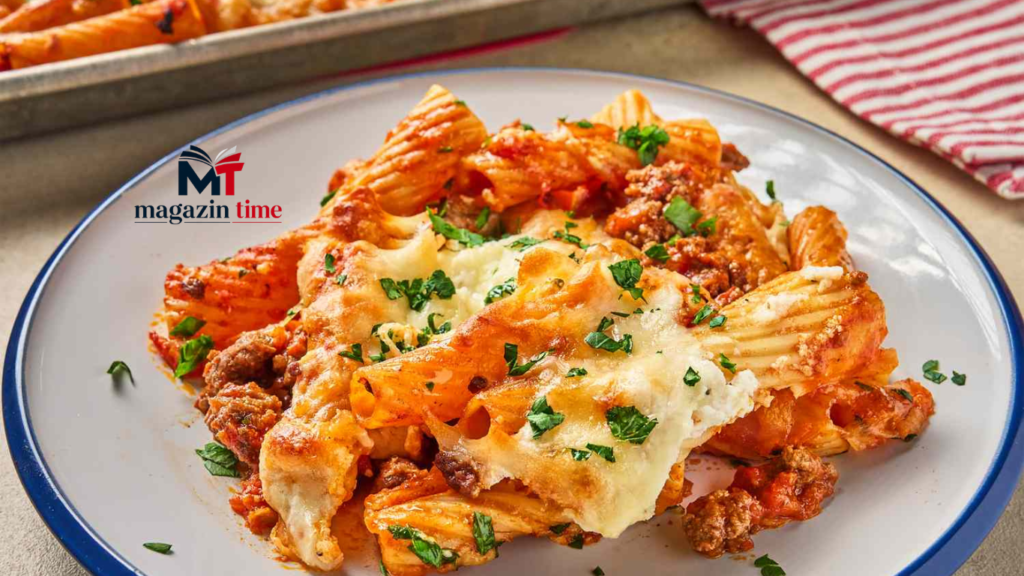
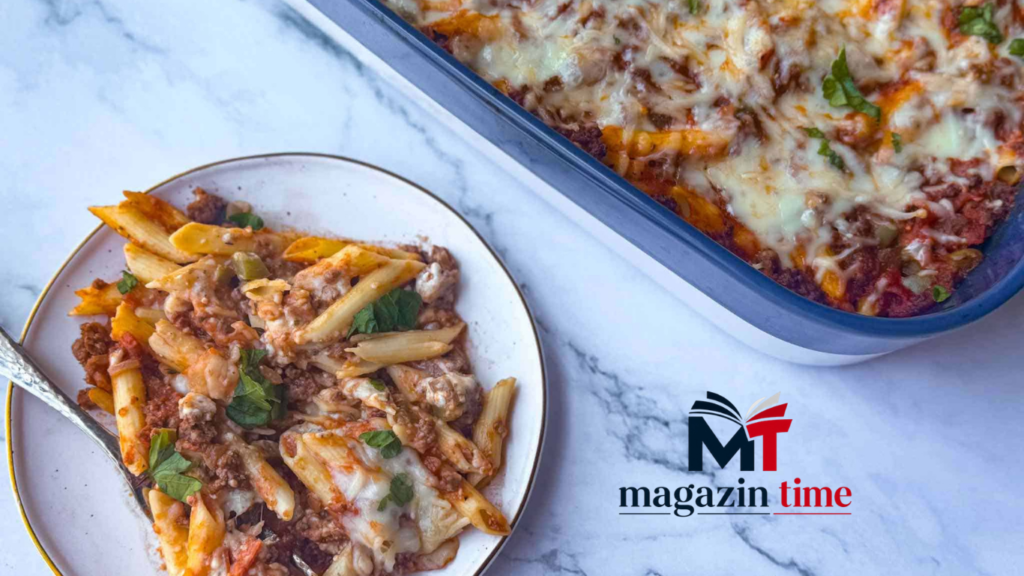
Public statements from manufacturers emphasise practical benefits: higher protein supports muscle maintenance, the combination of protein and fibre aids satiety, and many versions remain suitable for vegetarians or vegans. Home cooks share recipes that treat protein pasta exactly like traditional pasta—carbonara adaptations, baked dishes, salads—demonstrating its versatility rather than positioning it as a medical or extreme diet food.
Later Career and Current Activities
Today the category continues to expand. Heritage Italian producers are launching protein-enhanced ranges using slow-processing methods and organic ingredients. UK supermarket shelves now feature everything from dried high-protein penne to fresh egg-based protein pasta and even canned or ready-meal options with elevated protein counts. Innovation includes lower-carbohydrate lupini or edamame pastas aimed at athletes and lower-carb eaters, alongside hybrid wheat-legume products designed to taste as close as possible to the classic.
Charity or advocacy work is limited, but the broader conversation around accessible nutrition and plant-forward eating has given protein pasta a supporting role. Brands increasingly highlight sustainability angles—legumes require less water and land than many animal proteins—while retailers promote the products as practical tools for everyday healthy eating rather than specialist supplements.
Quick Bio
| Detail | Information |
| Full Name | Protein pasta (high-protein pasta) |
| Date of Birth | Mid-2010s commercial emergence (chickpea focus) |
| Place of Birth | North America and Europe health-food markets |
| Nationality | Global (strong Italian and US brand presence) |
| Profession | Functional food / pasta alternative |
| Years Active | Approximately 2014–present |
| Known For | Higher protein (10–25 g per serving), often higher fibre |
| Estimated Net Worth | N/A (category market growth ongoing) |
Legacy and Lasting Impact
Protein pasta has quietly altered expectations of a staple food. It demonstrates that familiar dishes can be nutritionally upgraded without demanding radical changes in taste or cooking habits. Its influence appears in the wider functional-food movement: once manufacturers proved that pasta could carry meaningfully more protein while remaining enjoyable, similar reformulations appeared in other categories.
Public perception has shifted from “specialty health product” to “sensible everyday option.” For many, it offers a practical lesson: small, realistic adjustments—swapping one ingredient while keeping the rest of the meal recognisable—often prove more sustainable than dramatic dietary overhauls. The category continues to improve, and its lasting contribution may simply be making higher-protein eating feel ordinary rather than exceptional.
Conclusion
Protein pasta will not replace traditional durum wheat pasta for every occasion, nor should it. Yet its rise shows how thoughtfully reformulated staples can support modern nutritional priorities while preserving the pleasure of a well-cooked plate of pasta. Whether chosen for training recovery, plant-based variety or simply a more filling supper, it has earned a permanent place in many kitchens.