


When people think of Greece, they picture sun-drenched islands, sparkling blue waters, and warm, laughter-filled evenings by the sea. Right at the heart of that picture — almost always — is a glass of Ouzo. It’s more than just a drink; it’s a symbol, a tradition, and an experience all rolled into one.
Ouzo is a dry anise-flavored spirit that has been a cornerstone of Greek culture for centuries. Whether you’re sipping it slowly on a wooden terrace above the Aegean Sea or tasting it for the first time at a Greek restaurant in your hometown, there’s something undeniably magical about this crystal-clear liqueur that turns milky white the moment water touches it. That little transformation alone is enough to make anyone curious.
This article dives deep into everything you need to know about Ouzo — where it came from, how it’s made, what it tastes like, how it’s enjoyed, and why it continues to win hearts all over the world. So, sit back, relax, and let’s explore this iconic spirit together.
The Rich History of Ouzo and Its Greek Roots
The story of Ouzo is a long and fascinating one, stretching back hundreds of years. Its origins are closely tied to a spirit called tsipouro, a pomace brandy that Greek Orthodox monks on Mount Athos are believed to have first produced in the 14th century. Over time, distillers began adding anise and other aromatic herbs to tsipouro, gradually refining the recipe into what we now recognize as Ouzo.
The name itself has a wonderful backstory. One popular theory says it comes from the phrase “uso di Massalia” — Italian for “for use in Marseille” — which was stamped on crates of high-quality Greek goods destined for export in the 19th century. Another theory suggests the word simply evolved from ancient Greek terms for smell or fragrance, a fitting description for a drink so beautifully aromatic.
By the late 1800s, Ouzo was being commercially produced, and the town of Lesbos (also known as Mytilene) emerged as one of its most celebrated homes. Greek families began gathering around bottles of Ouzo as a ritual of togetherness — a habit that’s clearly never gone away.
- Greece officially obtained a Protected Designation of Origin (PDO) for Ouzo in 2006 from the European Union, meaning only spirits produced in Greece and Cyprus can legally be called “Ouzo.”
- The town of Plomari on the island of Lesbos is often called the “capital of Ouzo” due to its deep-rooted distilling heritage.
- Greek distillers have been refining Ouzo recipes for generations, passing their formulas down like family heirlooms.
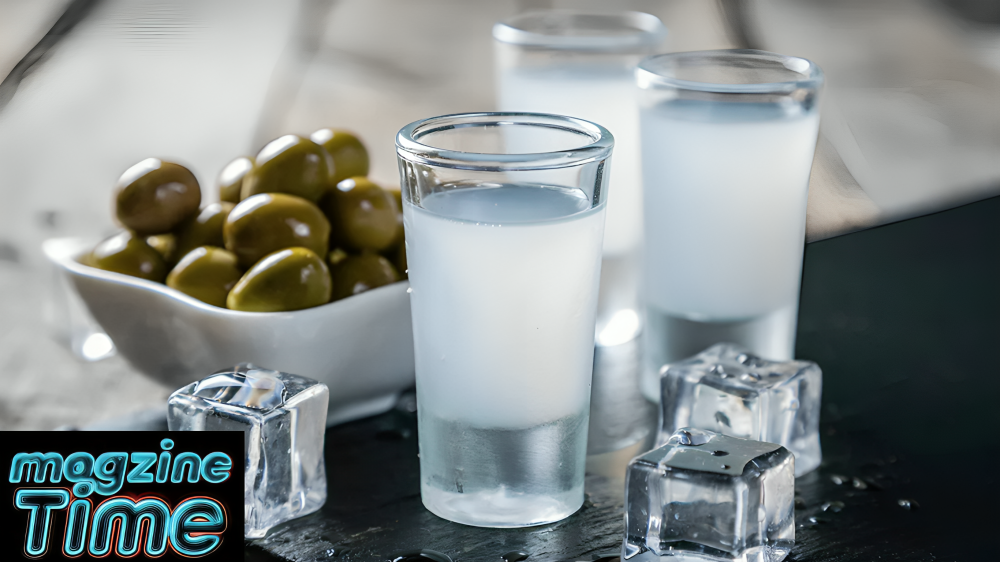
How Ouzo Is Made: The Art and Science Behind the Spirit
Making Ouzo is both a craft and a science. The process starts with a base alcohol — typically a neutral grain spirit or a grape-based distillate — which is then redistilled in traditional copper pot stills with a carefully selected blend of botanicals. And the star of that botanical lineup? Anise seed, without a doubt.
The anise used in Ouzo is often sourced from the Greek island of Chios, though fennel seed, coriander, cloves, angelica root, licorice, mint, mastic, and star anise may also appear in a distiller’s secret recipe. The exact botanical blend varies from one producer to the next, which is exactly why different brands of Ouzo can taste so delightfully distinct from each other.
Here’s a simplified breakdown of the production process:
Key Steps in Ouzo Production
| Step | Description |
| Base Spirit Preparation | A neutral alcohol or grape distillate forms the foundation |
| Botanical Blending | Anise and other herbs are added to the spirit |
| Redistillation | The blend is heated in copper stills to extract flavors |
| Dilution | Water is added to bring the alcohol content to the legal minimum of 37.5% ABV |
| Bottling | The final product is filtered and bottled, usually clear or lightly tinted |
What’s worth noting is that Ouzo must contain at least 20% alcohol by volume (ABV) derived from anise distillation. This is a strict requirement under EU regulations that helps protect the authenticity and quality of the product. No shortcuts, no artificial flavors — just honest, carefully crafted distillation.
The Louche Effect: That Magical Milky Transformation
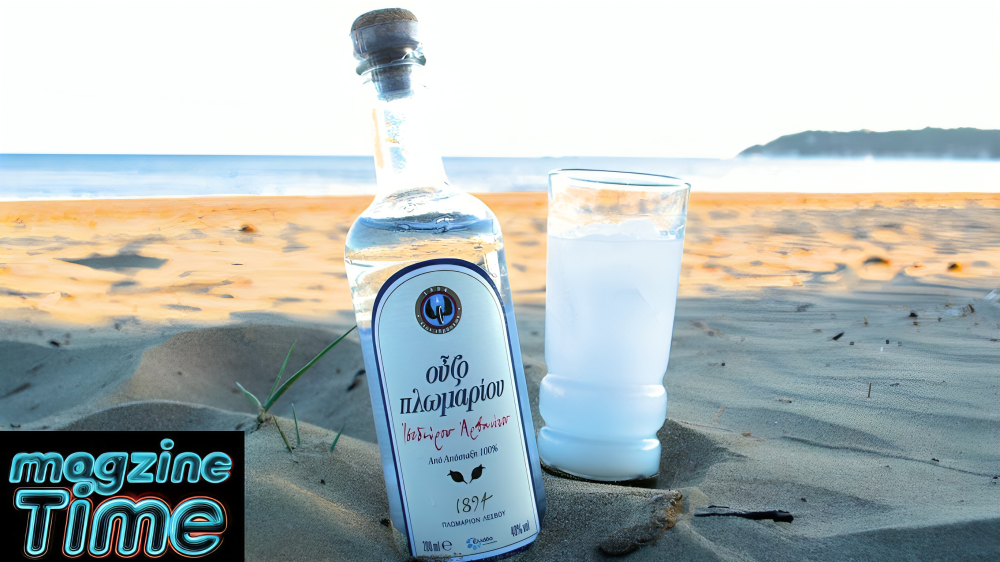
One of the most talked-about and visually stunning features of Ouzo is what happens when you add water or ice to it. The clear liquid almost instantly becomes a cloudy, milky white. This phenomenon is known as the louche effect, and it’s got a pretty cool scientific explanation.
Anethole — the primary flavor compound in anise — is soluble in alcohol but not in water. When water dilutes the alcohol content, the anethole molecules come out of solution and form tiny suspended droplets, which scatter light and create that gorgeous opalescent appearance. It’s chemistry doing its most theatrical work.
For many drinkers, this transformation is part of the whole ritual. Pouring a splash of cold water into your glass and watching the Ouzo bloom into white is a small but genuinely satisfying moment. It’s the kind of thing that makes you feel like you’re part of something special, even if you’re just sitting at your kitchen table.
Tasting Ouzo: Flavors, Aromas, and What to Expect
If you’ve never tried Ouzo before, it’s only natural to wonder what it actually tastes like. The dominant flavor is anise — that sweet, slightly herbal, licorice-like taste that’s either love-at-first-sip or an acquired taste, depending on who you ask. But there’s much more going on beneath the surface.
Depending on the brand and the botanical recipe, you might detect:
- Sweetness — gentle and not overpowering, unlike some liqueurs
- Herbal notes — hints of fennel, coriander, and mint
- Warmth — a pleasant, spreading heat as it goes down
- Earthiness — particularly in Ouzo made with mastic or angelica root
- A clean, dry finish — quite different from other anise spirits like sambuca or pastis
The aroma alone is something to appreciate before taking that first sip. Hold the glass under your nose and breathe in — you’ll catch waves of anise, perhaps a whisper of citrus, and something faintly floral. It’s the kind of scent that immediately transports you somewhere sunny and warm.
Temperature plays a big role too. Ouzo served very cold tends to be crisper and more refreshing, while room-temperature Ouzo lets more of the aromatic complexity come forward. Both experiences are worth having.
How Ouzo Is Traditionally Enjoyed in Greece
Here’s something you should know: in Greece, Ouzo isn’t just a drink — it’s an institution. Greeks don’t gulp it down in shots or use it to get drunk quickly. Instead, they sip it slowly, almost meditatively, over the course of a long, leisurely meal or social gathering.
The traditional way to enjoy Ouzo is alongside meze — a selection of small dishes that typically include:
- Grilled octopus
- Taramosalata (fish roe dip)
- Olives and feta cheese
- Fried calamari
- Spanakopita (spinach pie)
- Grilled prawns or sardines
This combination of Ouzo and meze is called an ouzeri experience, named after the small, informal taverns or cafés (also called ouzeria) where people gather to enjoy exactly this kind of spread. The food and the drink complement each other perfectly — the saltiness and richness of the meze cutting through the boldness of the Ouzo, and vice versa.
Well, honestly, it’s not just about the food and the drink. It’s about the company. Greeks have a wonderful phrase — siga siga — meaning “slowly, slowly.” And that’s precisely how Ouzo should be enjoyed: without rushing, in good company, with plenty of good food and even better conversation.
Popular Ouzo Brands Worth Knowing About
The world of Ouzo is wonderfully diverse, with dozens of producers each bringing their own personality to the bottle.
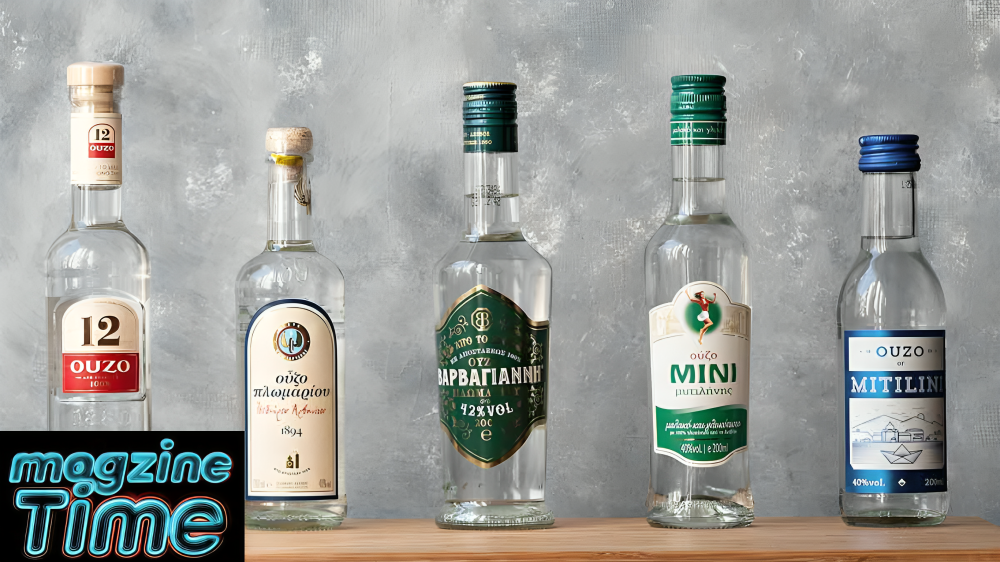
| Brand | Origin | Known For |
| Ouzo 12 | Athens | Smooth, mild, and great for beginners |
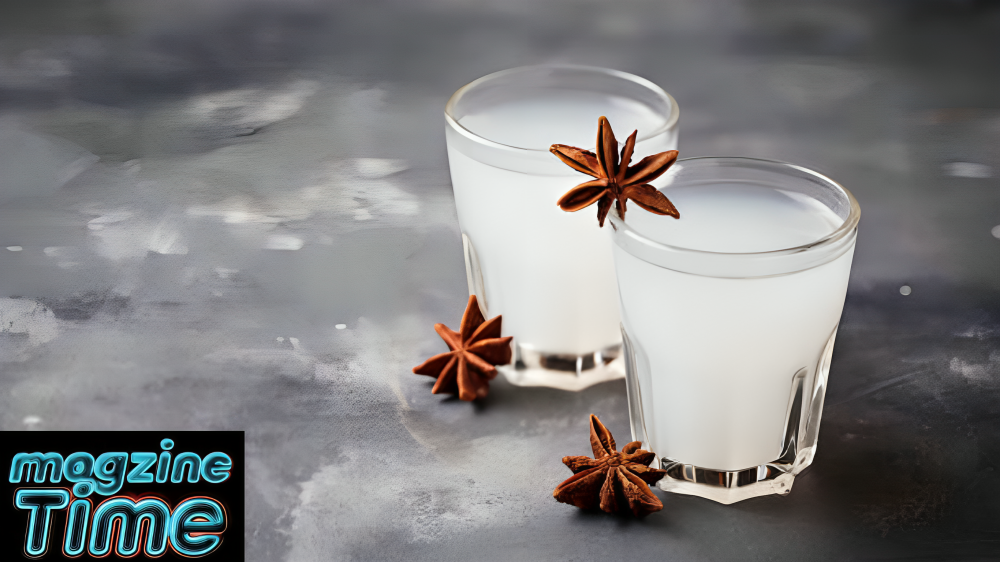
| Plomari Ouzo (Isidoros Arvanitis) | Lesbos | Rich, full-bodied, and deeply aromatic |
| Barbayiannis | Lesbos | One of the oldest family-run distilleries |
| Mini Ouzo | Lesbos | Light and refreshing, ideal for mixing |
| Pitsiladi | Lesbos | Award-winning with complex herbal notes |
| Varvagiannis | Lesbos | Traditional, strong, and beloved by purists |
Each of these brings something slightly different to the table. Some are sweeter and lighter — perfect for newcomers. Others are more robust and complex, ideal for those who want the full, traditional Ouzo experience. Trying a few different brands side by side is, hands down, one of the most enjoyable ways to appreciate the range and depth of this spirit.
Ouzo Cocktails: A Modern Twist on a Classic Spirit
While traditionalists might raise an eyebrow, mixing Ouzo into cocktails has become an exciting trend in the world of modern mixology. And why not? Its bold anise flavor adds a distinctive character to drinks that few other spirits can match.
Here are some popular Ouzo-based cocktails that have been winning fans around the world:
- Ouzo Sour — Ouzo, fresh lemon juice, simple syrup, and egg white, shaken hard for a frothy, bright cocktail
- Greek Mule — Ouzo, ginger beer, fresh lime juice, and mint served over ice in a copper mug
- Ouzo Spritz — Ouzo, sparkling water, a splash of elderflower cordial, and a slice of cucumber
- Ouzotini — Ouzo shaken with lychee juice and a hint of rose water for a floral, exotic martini
- Mediterranean Sunset — Ouzo, orange juice, grenadine, and soda water for a beautiful layered look
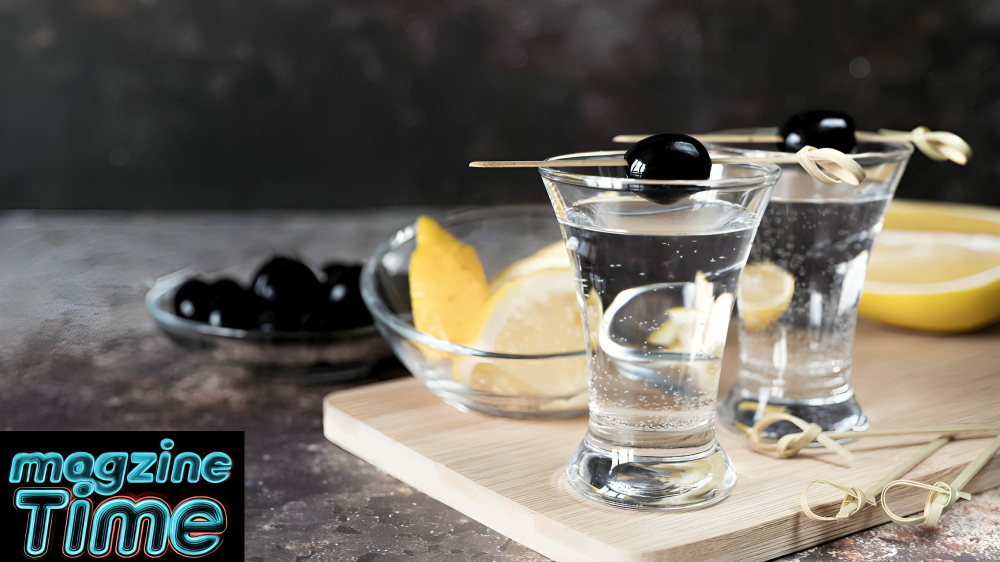
The key to using Ouzo in cocktails is balance. Its anise flavor can dominate quickly, so pairing it with bright citrus notes, sweet fruits, or fizzy mixers keeps things harmonious. A little bit goes a long way, and that’s part of the fun.
Health Considerations and Moderate Consumption of Ouzo
That said, there’s quite a bit of interesting information out there about the potential benefits and considerations tied to anise-based spirits when consumed responsibly.
Anise, the primary botanical in Ouzo, has a long history in traditional medicine. Some people even drink a small amount of Ouzo after meals as a digestif — and that tradition has genuine roots in herbal medicine.
A few points worth keeping in mind:
- Digestive aid — Anise compounds, including anethole, are known to have mild antispasmodic and digestive properties
- Antioxidants — Some studies suggest that anise contains certain antioxidant compounds
- Low sugar — Dry Ouzo varieties contain relatively little sugar compared to many other liqueurs
- Calorie awareness — A standard serving (around 25ml) of Ouzo contains roughly 70–80 calories
However, it’s important to remember that these potential benefits are only relevant at very moderate consumption levels. Drinking Ouzo irresponsibly carries the same risks as any alcoholic beverage. Always drink mindfully, stay hydrated, and never drink and drive.
Ouzo’s Cultural Significance and Global Reach
Few spirits carry as much cultural weight as Ouzo does for Greece. It’s been present at weddings, funerals, name days, national holidays, and quiet Tuesday evenings by the sea. For Greeks both at home and in the diaspora, a glass of Ouzo is a direct connection to homeland, heritage, and identity.
Internationally, Ouzo has steadily grown in popularity over the decades. Greek restaurants across Europe, North America, and Australia have introduced generations of diners to the spirit. The global interest in Mediterranean cuisine and the so-called “Mediterranean lifestyle” has only accelerated this trend.
The EU’s Protected Designation of Origin status has also helped enormously. Knowing that any bottle labeled “Ouzo” has been made in Greece according to strict standards gives international consumers both confidence and a sense of authenticity. They’re not just buying a drink — they’re buying a piece of Greek culture.
Tourism plays a big role too. Millions of visitors arrive in Greece every year and many of them encounter Ouzo for the very first time there. They bring back bottles as souvenirs, introduce it to their friends and family, and keep the love for this remarkable spirit alive and spreading far beyond the Greek borders.
Pairing Ouzo with Food: Beyond the Traditional Meze
While the classic Ouzo-and-meze pairing is hard to beat, Ouzo can also complement a surprisingly wide range of other foods. Its herbal anise notes make it particularly well-suited to:
- Seafood — especially grilled fish, prawns, clams, and oysters
- Cheese boards — salty, aged cheeses like Graviera or Kefalotiri work beautifully
- Melon and citrus fruits — the sweetness of the fruit plays off the herbal spirit wonderfully
- Spiced dishes — Middle Eastern or North African flavors that feature cumin and coriander
- Dark chocolate — yes, really! The bitter cocoa complements the sweetness of Ouzo remarkably well
Conclusion
At the end of the day, Ouzo is far more than just an alcoholic beverage. It’s a cultural artifact, a sensory experience, and a living tradition that has survived centuries of history, politics, and changing tastes. From the copper stills of Lesbos to the cocktail bars of New York and London, Ouzo continues to charm and captivate everyone who encounters it.
Whether you’re a first-time taster or a long-time lover of this iconic spirit, there’s always something new to discover — a different brand to try, a new food pairing to explore, a cocktail recipe to experiment with. The world of Ouzo is generous, welcoming, and endlessly rewarding.
So the next time you see a bottle of Ouzo on a shelf or a menu, don’t hesitate. Pour yourself a glass, add a little cold water, watch it turn that gorgeous milky white, and raise it to the magic of Greece. Yamas! — to good health, good company, and the timeless pleasure of one of the world’s most beloved spirits.
FAQs
Why does Ouzo turn white when water is added?
This is known as the louche effect. Anethole, the main flavor compound in anise, is soluble in alcohol but not in water. It’s completely natural and a sign of a well-made Ouzo.
Is Ouzo the same as sambuca or pastis?
Not quite! Sambuca is an Italian liqueur that is generally sweeter and often served with coffee beans. Pastis is a French spirit that includes licorice root and tends to be lighter in anise flavor. Ouzo is specifically Greek, drier than sambuca, and has a more complex botanical profile that varies between producers.
What is the best way to drink Ouzo for a beginner?
The best starting point is to pour a small amount of Ouzo over ice or add a splash of cold water. This dilutes the alcohol slightly, opens up the aromas, and triggers that beautiful louche effect. Pair it with some light meze — olives, feta, or bread — and sip it slowly. Avoid taking it as a shot, as that can be overwhelming for a first-time taster.
Can Ouzo be used in cooking?
Absolutely! Ouzo is a wonderful ingredient in cooking, especially in Mediterranean and Greek recipes. It pairs brilliantly with seafood — a classic Greek dish called Garides Saganaki (shrimp with tomato and feta) often includes a splash of Ouzo for depth and flavor.


