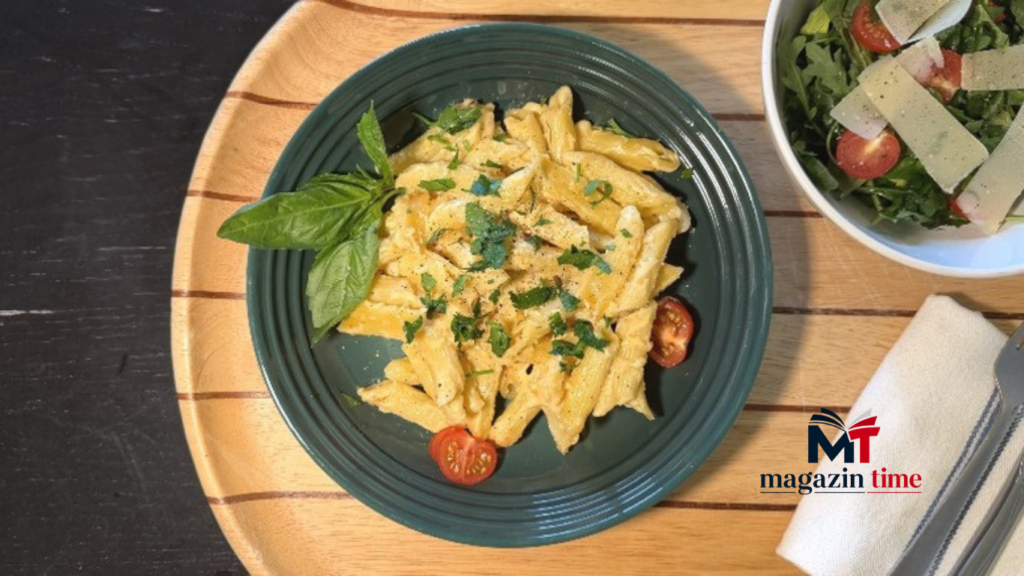

Costco pesto pasta salad has quickly become one of the more talked-about items in the warehouse’s prepared-foods section. Shoppers scrolling social media or browsing the deli counter in early 2026 spotted the fresh tubs of spiral pasta tossed with bright green pesto, creamy mozzarella pearls, slow-roasted tomatoes and peppery arugula. For many members who already swear by Kirkland Signature basil pesto, the ready-to-eat version looked like an obvious win.
Yet the conversation around Costco pesto pasta salad has been anything but one-sided. Some praise its convenience and Italian-inspired flavours; others question the price and seasoning. This feature explores the product in detail—what it contains, how it has been received, how it compares with homemade versions, and why it continues to draw attention months after its arrival.
The Rise of Ready-to-Eat Pasta Salads at Costco
Costco has long excelled at large-format prepared foods that balance quality with bulk value. Rotisserie chickens, oversized sushi trays and classic deli salads form the backbone of many members’ weekly shops. Pasta salads sit comfortably in this category: they travel well, keep for several days and work equally as a side dish or light main.
Pesto itself has enjoyed growing popularity in British and American home cooking. The classic Genovese combination of basil, pine nuts, garlic, Parmesan or Pecorino and olive oil delivers intense herbal flavour with relatively little effort when a good jar is on hand. Kirkland Signature Imported Basil Pesto, made with DOP Genovese basil and DOP Pecorino Romano, has developed a loyal following precisely because it tastes closer to fresh-made than many supermarket alternatives. It was almost inevitable that Costco would eventually turn that popular jar into a complete ready-to-eat salad.
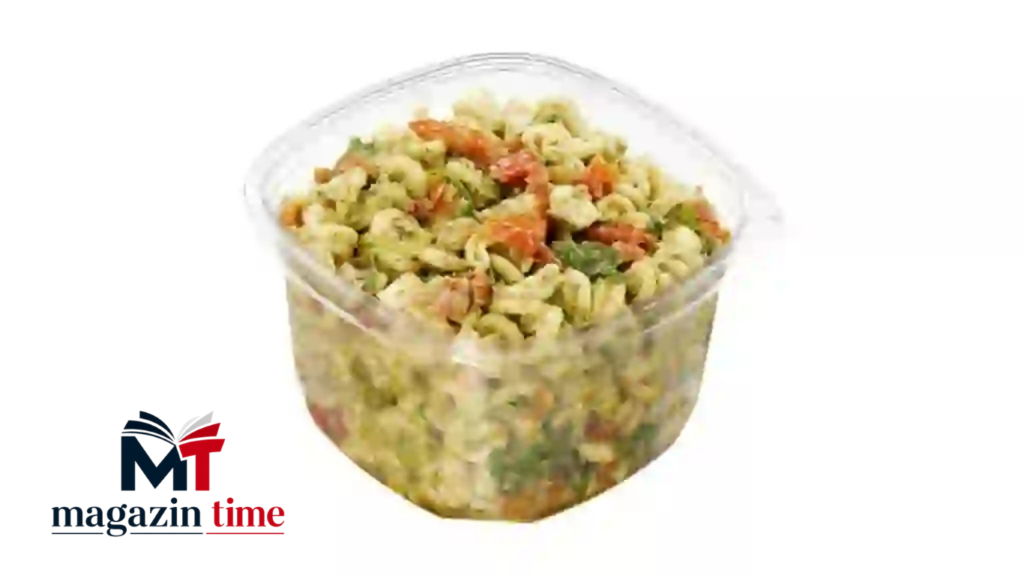
The version that appeared in warehouses in January 2026 uses trottole—a short, spiral pasta shaped a little like a spinning top—as its base. The result is a colourful, Italian-leaning salad sold by the pound from the service deli counter.
What’s Inside Costco Pesto Pasta Salad
The ingredient list is straightforward and appealing on paper. Trottole provides a pleasant chew and plenty of surface area for the sauce to cling to. Slow-roasted tomatoes contribute concentrated sweetness and a soft texture that contrasts with the firmer pasta. Fresh mozzarella pearls add mild creaminess, while arugula brings a peppery note that cuts through the richness of the pesto.
The pesto itself is the star for many buyers. Kirkland’s version relies on high-quality Italian basil, sunflower oil, Parmesan, pine nuts, extra-virgin olive oil, Pecorino Romano, garlic and seasonings. Because the pesto is refrigerated rather than heat-treated for long shelf life, it retains a brighter, fresher character than many ambient jarred sauces.
Exact nutrition figures for the finished salad vary by batch and portion size, but the presence of cheese, oil-rich pesto and pasta means it is a relatively calorie-dense option. It functions best as a side or as a light lunch when bulked out with additional protein such as Costco’s rotisserie chicken.
Mixed Reception and the Price Debate
Almost as soon as Costco pesto pasta salad reached shelves, reactions split. Positive comments highlighted the convenience of a ready meal that required no cooking and the appeal of mozzarella pearls and pesto together. Some shoppers reported enjoying it straight from the fridge or warmed slightly, and a few suggested simple upgrades such as extra Parmesan or added protein.
Criticism focused on two points: seasoning and cost. Multiple reviews described the salad as under-seasoned or bland relative to expectations set by the strong flavour of the jarred pesto. Others noted that a full tub could run to around £15–£20 (or the US equivalent of roughly $18–$21) because it is priced per pound—originally listed near $5.99/lb and later reported higher in some locations. For a product with a short refrigerated shelf life, that outlay felt steep to many members accustomed to Costco’s usual value proposition.
Availability has also been uneven. A separate single-serve “Fresh & Ready” garlic pesto penne option exists in certain locations, offering a different format with red peppers and olives, but the bulk deli version remains the one most closely associated with the phrase “Costco pesto pasta salad.”
These mixed reviews are typical of many Costco prepared foods. The warehouse’s strength lies in scale and quality ingredients; when those ingredients are combined in a high-volume deli setting, results can vary by location and batch. The conversation itself has kept the product visible: Reddit threads, Instagram finds pages and food-news sites have all covered the launch and subsequent reactions.
Making a Better Version at Home
One consistent piece of advice from both fans and critics is that a homemade Costco-style pesto pasta salad is straightforward and often more satisfying. The official Costco Connection recipe (and countless home-cook adaptations) follows a simple template:
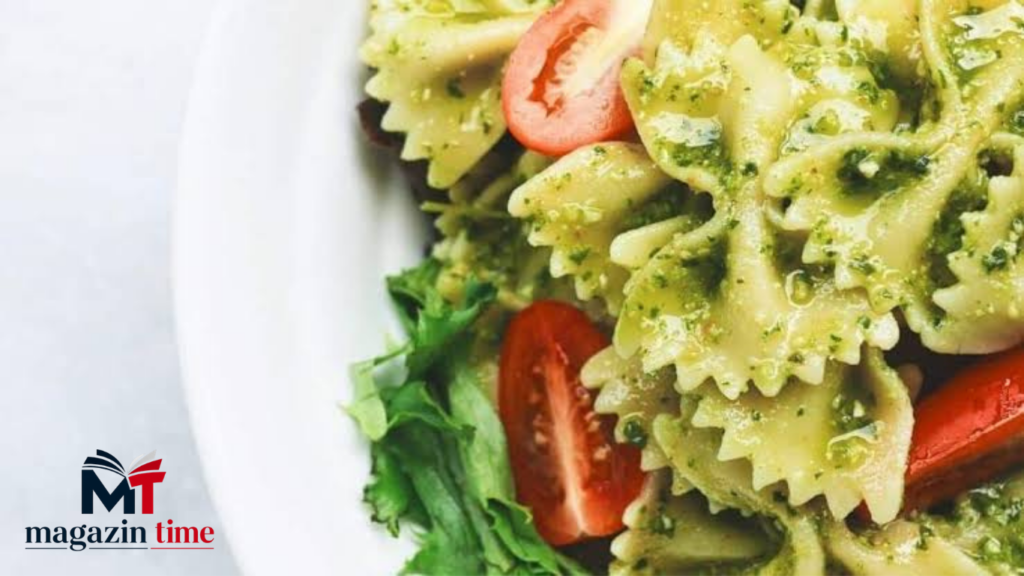
Cook 16 oz (about 450 g) of fusilli, penne or farfalle until al dente, then rinse under cool water and drain well. Toss the pasta with roughly three-quarters of a cup of Kirkland Signature pesto (or to taste). Fold in halved cherry or grape tomatoes, fresh mozzarella bocconcini or pearls, and chopped fresh basil. Season with salt and pepper. The whole process takes little more than the time needed to boil pasta.
Variations are endless. Some cooks roast the tomatoes for deeper flavour, add toasted pine nuts for crunch, include baby spinach or extra arugula, or bulk the salad with chickpeas, grilled chicken or prawns. A squeeze of lemon brightens the pesto, and a little reserved pasta water can help the sauce coat more evenly if the mixture feels dry. Because you control the quantity of pesto and seasoning, the finished dish rarely suffers from the blandness some report in the pre-made version.
Homemade also wins on cost. A jar of Kirkland pesto is typically priced around the equivalent of £8–£11 for a generous 22 oz / 630 ml size and keeps well in the fridge or freezer (portioned into ice-cube trays if desired). Combined with everyday pasta, tomatoes and mozzarella, the total outlay for several servings is usually lower than a single large deli tub.
Product Snapshot
| Detail | Information |
| Product Name | Costco / Kirkland Signature Pesto Pasta Salad |
| Format | Ready-to-eat deli salad, sold by the pound |
| Key Ingredients | Trottole pasta, Kirkland basil pesto, mozzarella pearls, slow-roasted tomatoes, arugula |
| Typical Price Range | Approximately $5.99–$6.80 per pound (varies by location and time) |
| Availability | Selected Costco warehouses (not always nationwide or continuous) |
| Best Enjoyed | Chilled as a side or light lunch; optional warming |
| Homemade Alternative | Easy with jarred pesto, pasta, tomatoes and mozzarella |
Why Costco Pesto Pasta Salad Matters in the Wider Food Conversation
Beyond the specific product, the salad illustrates broader trends. Shoppers increasingly want convenience without sacrificing recognisable, high-quality ingredients. Premium jarred pesto has lowered the barrier to restaurant-style flavours at home, and warehouse clubs sit at the intersection of bulk buying and prepared-food innovation. When a new item leans on an already-loved house brand, expectations rise—and so does scrutiny.
The mixed reception also highlights a useful lesson for home cooks: the difference between a good ready meal and a great one often comes down to seasoning, texture contrast and personal preference. Costco’s version provides a convenient starting point; adjusting it or recreating it from scratch gives more control.
Conclusion
In the months since its early-2026 launch, Costco pesto pasta salad has settled into the revolving cast of deli offerings. Some members still seek it out for quick lunches or potluck contributions. Others prefer to buy the jar of pesto and assemble their own. Both approaches keep the core idea—vibrant pesto, tender pasta and bright accompaniments—alive in kitchens and warehouses alike.