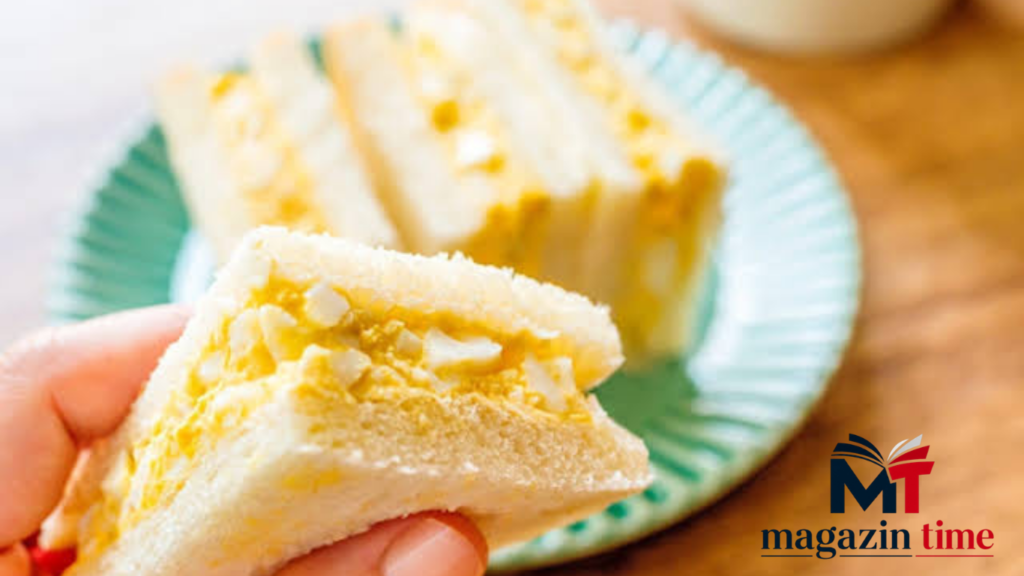

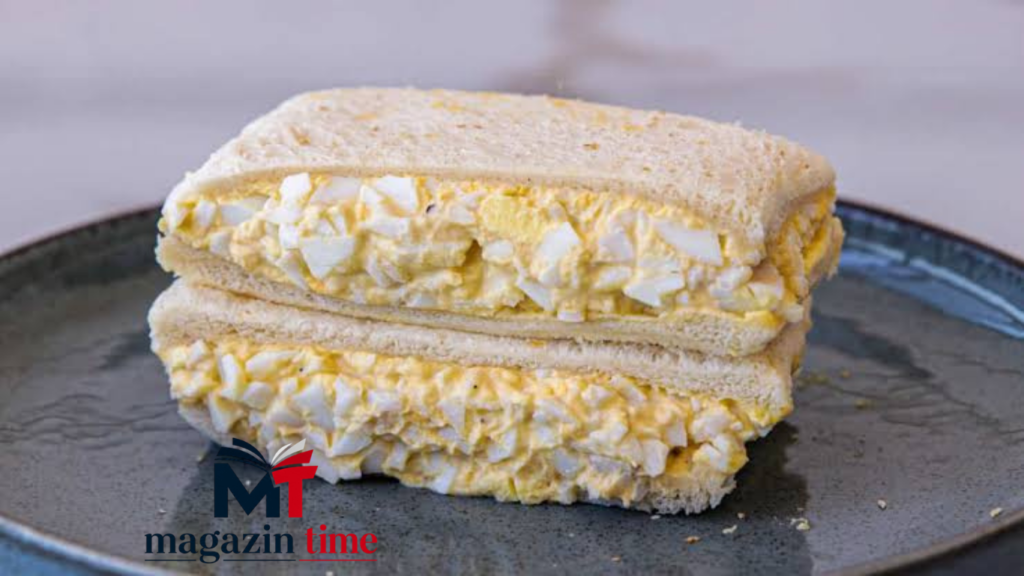
Few everyday foods inspire the quiet devotion that surrounds Japanese egg salad. Known in Japan as tamago sando, this simple combination of soft-boiled eggs, rich mayonnaise and pillowy milk bread has become a quiet icon of Japanese convenience culture and a favourite among travellers and home cooks far beyond its shores. What looks like an ordinary sandwich reveals, on closer inspection, a careful balance of texture, mild sweetness and savoury depth that feels both comforting and refined.
Readers remain drawn to Japanese egg salad because it represents something rare in modern food: perfection achieved through restraint. It requires no elaborate techniques or rare ingredients, yet the result is consistently satisfying. Whether discovered in a Tokyo konbini at midnight or recreated in a kitchen thousands of miles away, the sandwich offers a small, reliable pleasure that has earned lasting affection.
Early Life and Background
The story of Japanese egg salad begins not with a single inventor but with Japan’s long encounter with Western bread and fillings. Bread itself arrived with Portuguese traders in the sixteenth century, giving Japanese the word pan. For centuries it remained a minor curiosity. Only during the Meiji period (1868–1912), when Japan opened more fully to the outside world, did Western-style sandwiches begin to appear. The first known sandwich ekiben—a station bento—went on sale in 1899 at Ōfuna Station, inspired by a traveller who had tasted sandwiches abroad.
Egg-based fillings followed the broader adoption of mayonnaise. In 1925 Toichiro Nakashima launched Kewpie mayonnaise after encountering the condiment during time spent in the United States and Britain. His version used only egg yolks, rice vinegar and a touch of umami seasoning, creating a richer, slightly sweeter product than many Western mayonnaises. Production paused during the Second World War because of shortages and resumed in 1948.
Post-war circumstances accelerated change. Rice shortages and American wheat aid encouraged greater use of bread. Soft white loaves known as shokupan—literally “eating bread”—became everyday fare. Japanese bakers refined the style with milk, a gentle sweetness and techniques such as yudane or tangzhong that produced an exceptionally fluffy crumb. Into this soft bread went a simple egg salad: hard-boiled eggs mixed with the new Japanese mayonnaise. Exact records of the first tamago sando are scarce; reliable public sources confirm only that the combination emerged as a practical, affordable filling in the decades after the war and quickly found a natural home in the growing network of convenience stores.
Career and Rise to Fame
Japanese egg salad’s true breakthrough came with the expansion of konbini—convenience stores such as 7-Eleven, Lawson and FamilyMart—from the 1970s onwards. These shops perfected the sandwich for quick sales: crusts removed, filling evenly distributed, packaging neat. The result was an inexpensive, reliable item available at almost any hour. Locals treated it as everyday fuel; visitors discovered it as an unexpected highlight of Japanese food culture.
International recognition arrived later. The late Anthony Bourdain repeatedly praised the Lawson version, calling the sandwiches “pillows of love” and speaking of their “unnatural, inexplicable deliciousness.” His comments on television and social media introduced many Western audiences to the quiet excellence of Japanese egg salad. In the 2010s and 2020s the sandwich gained further momentum through food blogs, recipe videos and café menus abroad. Home cooks sought Kewpie mayonnaise and Japanese milk bread, while restaurants offered elevated interpretations. The dish never needed dramatic reinvention; its reputation rested on consistent quality and the pleasure of something done simply and well.
Collaborations have been informal rather than celebrity-driven. Convenience-store chains refined ratios of yolk to white, levels of seasoning and bread softness through quiet testing. Public reputation remains one of gentle excellence—an unpretentious food that rewards attention without demanding it.
Personal Challenges or Turning Points
Japanese egg salad faced the ordinary difficulties of any adopted food. Early versions competed with more familiar Japanese meals and with other Western-inspired items. Wartime shortages had already interrupted mayonnaise production, and post-war recovery required patience before soft bread and reliable eggs became widely available. No dramatic scandals or personal crises attach to the dish itself; sources simply record steady adaptation.
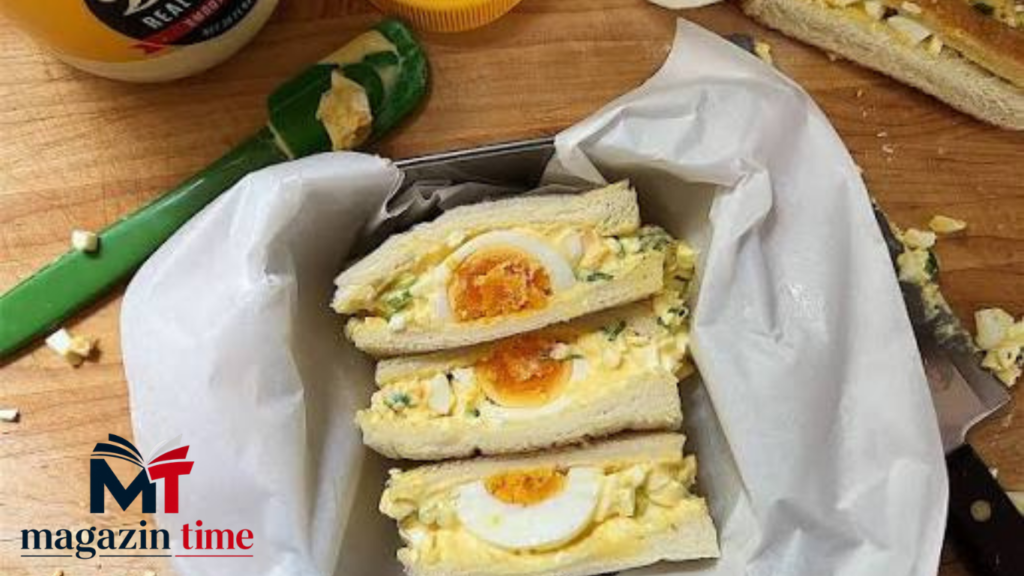
A quieter turning point was the decision, across countless kitchens and store kitchens, to treat the filling with care. Separating yolks from whites, whipping the yolks with mayonnaise until creamy, then folding in diced whites produces a texture that feels luxurious rather than dense. Slight seasoning—salt, a hint of sugar, sometimes a drop of vinegar or mustard—keeps the flavour mild and balanced. These small refinements turned a basic mixture into something distinctive. The sandwich’s resilience lies in its adaptability: it survives jet-lagged travellers, late-night students and careful home recreation without losing its essential character.
Personal Life
Public information about Japanese egg salad centres on its ingredients rather than private relationships. The classic filling relies on fresh eggs, Japanese mayonnaise (most often Kewpie), and soft shokupan. Bread is almost always served without crusts, sometimes lightly buttered. Variations exist—some versions keep the eggs more roughly chopped, others add a whisper of mustard or black pepper—but the core remains deliberately plain.
No reliable public sources describe marriages, children or family drama attached to the dish. It belongs to everyday Japanese life rather than to any single household. Statements about it tend to be practical: people note its convenience, its mild flavour, and the way the soft bread and creamy filling complement each other. Speculation beyond these confirmed details finds no support in reputable reporting.
Later Career and Current Activities
Today Japanese egg salad continues its quiet career both inside Japan and far outside it. Convenience stores still stock multiple versions daily. Outside Japan, bakeries and cafés offer their own takes, often highlighting the milk bread or the distinctive mayonnaise. Online recipes have made the sandwich accessible to home cooks who cannot visit a Tokyo konbini. Food writers and travellers still single it out as one of the most reliable and surprising pleasures of Japanese convenience culture.
The dish appears in charity contexts only indirectly, as part of broader conversations about accessible, comforting food. Business ventures centre on the ingredients themselves: the global availability of Kewpie mayonnaise and the rising interest in Japanese milk-bread techniques. Advocacy, if any, is informal—encouragement to appreciate simplicity and quality in ordinary meals.
Quick Bio
| Detail | Information |
| Full Name | Japanese Egg Salad (Tamago Sando) |
| Date of Birth | Popularised mid-20th century (exact date unknown) |
| Place of Birth | Japan |
| Nationality | Japanese culinary tradition |
| Profession | Everyday sandwich / convenience-store staple |
| Years Active | Mid-20th century – present |
| Known For | Creamy egg filling on soft crustless milk bread |
| Estimated Net Worth | Not applicable (cultural rather than commercial figure) |
Only details supported by reliable public sources appear above. Precise invention dates and financial valuations are not confirmed.
Legacy and Lasting Impact
Japanese egg salad remains important because it demonstrates how a borrowed idea can be refined into something quietly distinctive. It has influenced the way many people think about convenience food—showing that speed and quality need not cancel each other out. Public perception is affectionate and unpretentious: the sandwich is praised for reliability rather than novelty.
Conclusion
Its lasting lesson is modest. Careful attention to texture, balance and everyday ingredients can turn the ordinary into something memorable. In an age of elaborate trends, Japanese egg salad continues to reward those who value simplicity done well.