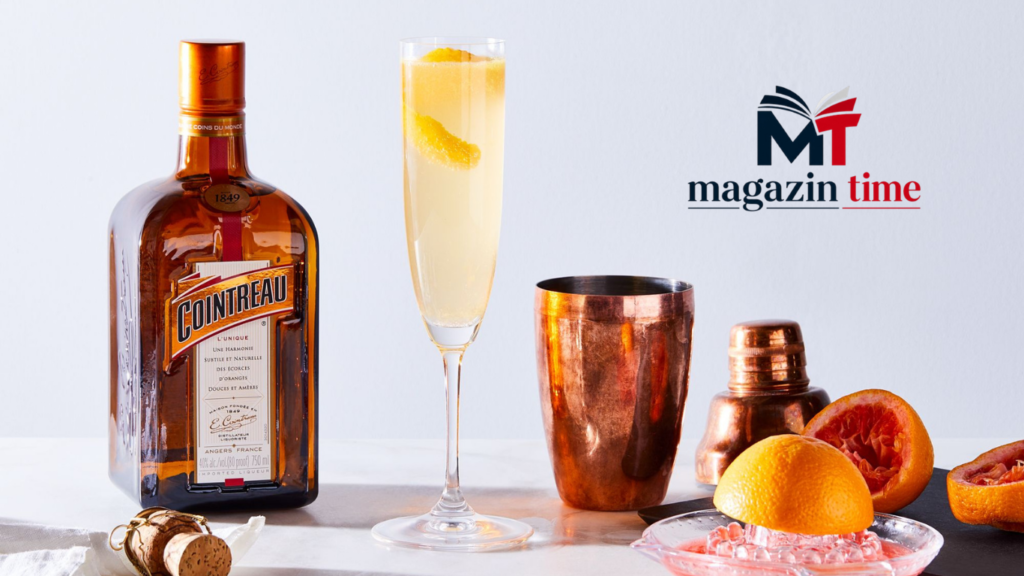

The French 75 cocktail recipe has captivated drinkers for nearly a century with its perfect balance of bright citrus, subtle sweetness, and effervescent sparkle. Named after the powerful French 75mm field gun from the First World War, this drink packs a surprising punch despite its refined appearance. Whether enjoyed at a sophisticated brunch or a celebratory evening, it remains a staple in bars worldwide for good reason.
Its combination of gin, fresh lemon juice, simple syrup, and Champagne delivers refreshment with a sophisticated edge. The French 75 cocktail recipe is more than just a drink; it embodies the glamour of the Jazz Age while remaining remarkably accessible for home mixologists today.
Origins and Background
The story of the French 75 cocktail recipe begins in the early 20th century, amid the social upheavals of World War I and the Prohibition era in America. While the exact inventor remains unknown, the drink evolved from earlier champagne cups popular in the 19th century, which combined sparkling wine with lemon, sugar, and sometimes spirits.
The name pays homage to the Canon de 75 modèle 1897, a rapid-firing artillery piece renowned for its effectiveness and used extensively by French forces. The cocktail’s “kick” supposedly mirrored the gun’s power. Early versions may have used cognac rather than gin, reflecting the drink’s flexible roots.
Barman Harry MacElhone documented an early version in his 1922 book Harry’s ABC of Mixing Cocktails, though it differed from today’s standard. The classic gin-based recipe gained traction in 1927 with Here’s How by Judge Jr., and Harry Craddock’s influential The Savoy Cocktail Book in 1930 helped cement its place in cocktail history.
Rise to Popularity
During the 1920s and 1930s, the French 75 cocktail recipe found favour in iconic venues like New York’s Stork Club. Its elegant presentation in a Champagne flute made it ideal for high society, while the accessible ingredients allowed broader appeal once Prohibition ended.
The drink appeared in popular culture, including references in films like Casablanca (1942) and several John Wayne movies. This visibility helped transform it from a speakeasy favourite into a mainstream classic. Bartenders appreciated its straightforward preparation and impressive results, ensuring steady demand across decades.
Post-war, the French 75 maintained its status as a symbol of refined indulgence. Its versatility suited both formal occasions and relaxed gatherings, contributing to enduring appeal.
Recipe Evolution and Variations
The standard French 75 cocktail recipe has remained largely consistent, yet it invites creative interpretation. Traditionalists stick closely to the core, while modern bartenders experiment with twists that honour the original while adding contemporary flair.
Classic French 75 Recipe (serves 1)
Ingredients:
- 30 ml (1 oz) gin (London Dry works beautifully)
- 15 ml (½ oz) fresh lemon juice
- 15 ml (½ oz) simple syrup
- 60–90 ml (2–3 oz) Champagne or quality sparkling wine, chilled
- Lemon twist, for garnish
- Ice cubes
Method:
- Add the gin, lemon juice, and simple syrup to a cocktail shaker filled with ice.
- Shake vigorously until well-chilled (about 10–15 seconds).
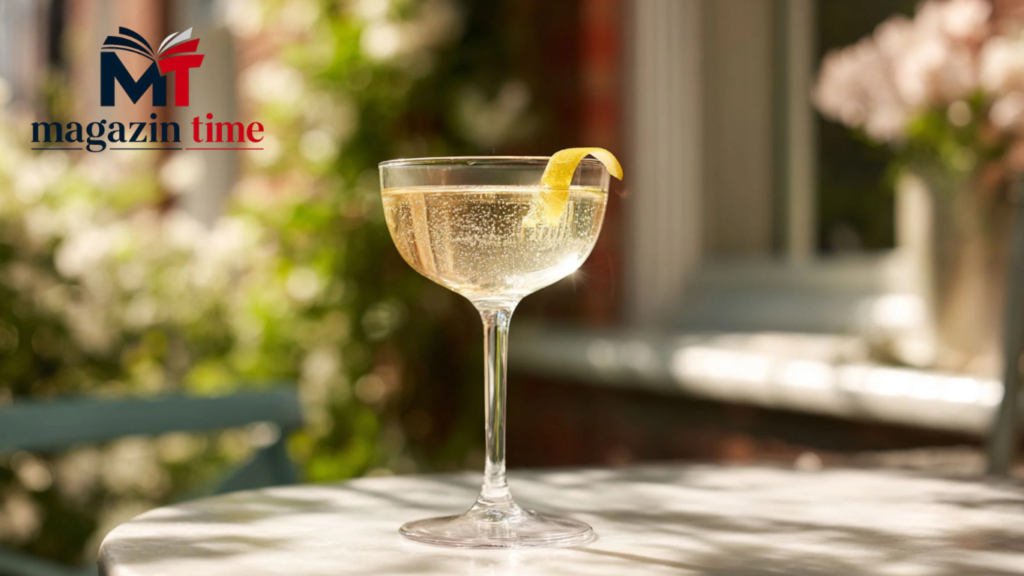
- Strain into a chilled Champagne flute.
- Top gently with Champagne.
- Garnish with a lemon twist, expressing the oils over the drink for aroma.
Tips for Perfection: Use freshly squeezed lemon juice – bottled varieties lack the bright acidity needed. Choose a dry sparkling wine to balance the sweetness. For simple syrup, combine equal parts sugar and water, heating until dissolved and cooling before use.
Variations abound. Some historical recipes call for cognac instead of gin, creating a smoother, richer profile often called a French 125. Others swap in vodka, rum, or tequila for regional twists like the Mexican 75 (tequila and lime).
Modern riffs include fruit-infused versions (peach, elderflower, or berry), herbal additions like lavender, or alternative bubblies such as Prosecco or even French cider for an earthy note. These adaptations keep the French 75 cocktail recipe relevant across seasons and preferences.
Challenges in Cocktail Craft
Like many classics, the French 75 cocktail recipe faced periods of obscurity. During times when sparkling cocktails fell out of fashion or when poor-quality ingredients diluted its reputation, enthusiasts worked to preserve its integrity.
The drink’s simplicity presents its own challenge: every element must be high quality. Subpar gin or flat Champagne ruins the balance. Bartenders emphasise precise measurements and proper technique to avoid overly sweet or flat results.
Its association with celebration sometimes limited perceptions to special occasions, but advocates highlighted its versatility for everyday enjoyment, from brunch to aperitif hours.
Personal and Cultural Connections
While not tied to a single individual, the French 75 has featured in countless personal stories and cultural moments. It evokes the glamour of the Roaring Twenties, the resilience of wartime ingenuity, and the joy of shared toasts. Many enthusiasts discover it during travels in France or New Orleans, where the French 75 Bar at Arnaud’s pays homage to the classic.
Bartenders and home mixologists often share how mastering this recipe boosted their confidence in cocktail making. Its forgiving nature – easy to adjust sweetness or strength – makes it an excellent introduction to shaken-and-topped drinks.
Later Popularity and Modern Relevance
Today, the French 75 cocktail recipe enjoys renewed interest amid the global craft cocktail revival. It appears on menus from intimate speakeasies to upscale hotels, praised for balancing sophistication and approachability.
Brunch culture has particularly embraced it as a superior alternative to mimosas, offering more complexity and a stronger kick. Its photogenic appearance also thrives on social media, introducing new generations to its charms.
Sustainability-minded bartenders experiment with eco-friendly sparkling wines and local gins, while zero-proof versions adapt the profile for non-drinkers using sparkling water or non-alcoholic spirits.
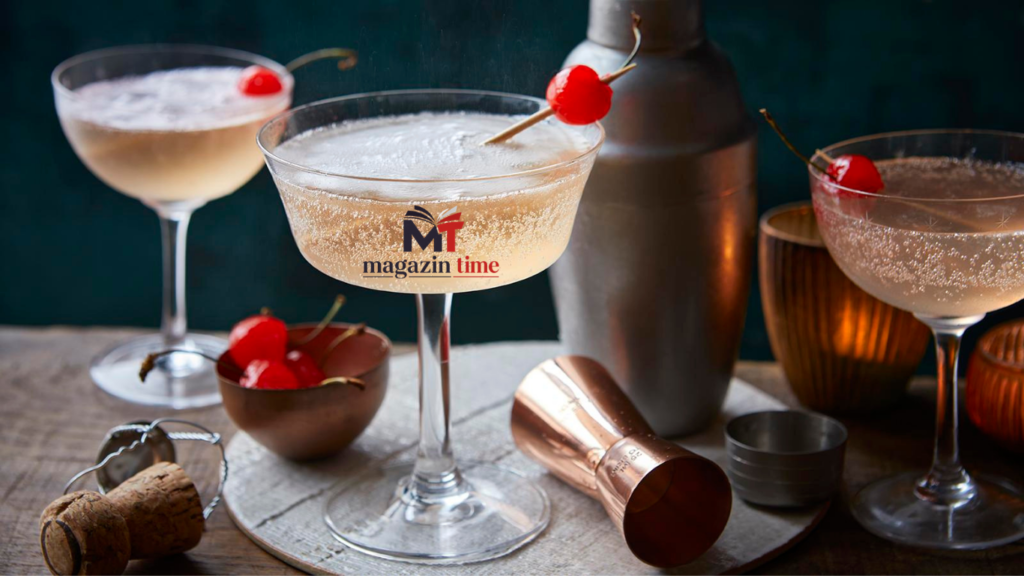
Quick Facts
| Detail | Information |
| Full Name | French 75 (or Soixante Quinze) |
| Origin Era | Early 20th century (popularised 1920s–1930s) |
| Primary Ingredients | Gin, lemon juice, simple syrup, Champagne |
| Best Served | Chilled, in a Champagne flute |
| Similar Cocktails | Tom Collins, French 125 |
| Cultural Impact | Iconic in films, bars, and celebrations |
Legacy and Lasting Impact
The French 75 cocktail recipe endures because it masters balance: tart, sweet, botanical, and bubbly elements harmonise beautifully. It influenced sparkling cocktail development and demonstrated how simple ingredients create memorable experiences when handled with care.
Its story reflects broader cocktail history – migration of ideas across the Atlantic, adaptation during challenging times, and the power of elegant simplicity. In an era of complicated mixology, it reminds us that classics often provide the greatest satisfaction.
The drink’s influence extends to home entertaining, where it encourages quality over quantity and celebration of life’s moments, big and small.
Conclusion
The French 75 cocktail recipe stands as a testament to enduring appeal in a changing world. From its wartime-inspired name to its modern versatility, it continues to delight with every sip. Whether following the classic formula or exploring a personal variation, this drink offers reliable elegance and joy.