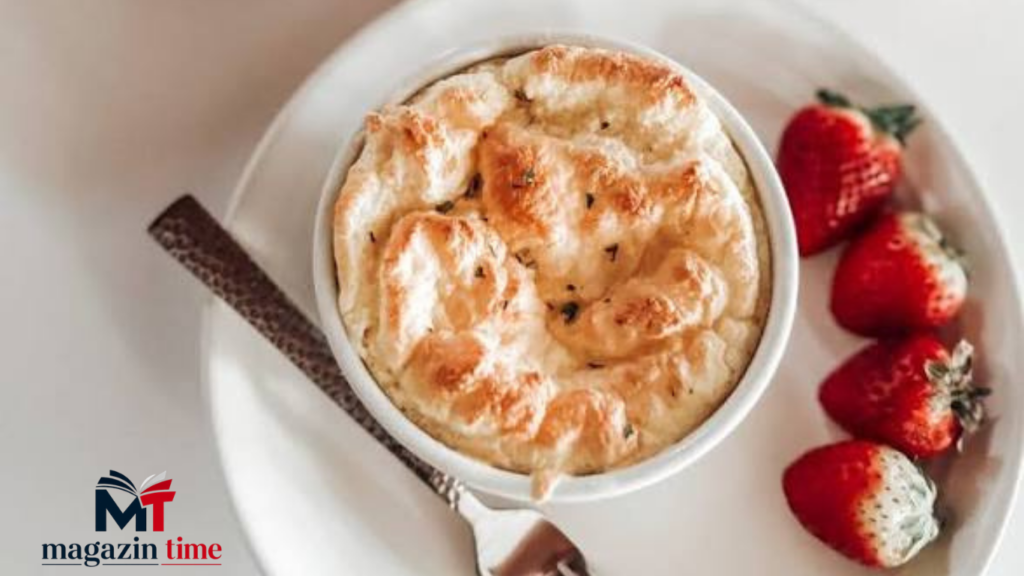

Few dishes capture the drama of the kitchen quite like an egg soufflé. It emerges from the oven tall, golden and trembling, a delicate tower of air and egg that can command the attention of an entire table. Then, almost as soon as it is admired, it begins to settle. That fleeting moment of perfection has kept cooks fascinated for centuries. Whether served as a savoury starter or a sweet dessert, the egg soufflé remains a hallmark of classical French cooking that still feels special in British homes and restaurants today.
Readers return to the subject because the egg soufflé sits at the intersection of science and theatre. It relies on nothing more than eggs, a flavoured base and careful handling of air. When it works, it looks effortless. When it fails, the collapse is public. That combination of risk and reward explains its enduring place in cookbooks, cookery schools and dinner-party conversations.
Early Life and Background
The story of the egg soufflé begins in eighteenth-century France. The earliest printed recipe appears in Vincent La Chapelle’s Le Cuisinier Moderne of 1742. There it is presented as an omelette soufflée, a mixture that combined egg yolks with flavourings and stiffly beaten whites. One early version even included chopped veal kidney and candied lemon peel, showing that the boundary between savoury and sweet was still fluid.
The name itself comes from the French verb souffler, meaning to breathe or to puff. Cooks had already noticed that beaten egg whites could trap air and expand under heat. By the mid-eighteenth century the technique was being refined in aristocratic kitchens. Antoine Beauvilliers, who opened one of Paris’s first grand restaurants in the 1780s, placed several soufflés on his menu and later published recipes. Yet it was Marie-Antoine Carême, the celebrated chef of the early nineteenth century, who elevated the dish. In his 1815 work Le Pâtissier Royal Parisien he treated the soufflé with systematic care, devising special moulds with straight sides that encouraged a dramatic rise.
From royal tables the egg soufflé moved into professional kitchens and eventually into domestic cookery books. By the time Auguste Escoffier codified French cuisine in the early twentieth century, dozens of variations existed, ranging from cheese and herb to chocolate, fruit and even tea.
Career and Rise to Fame
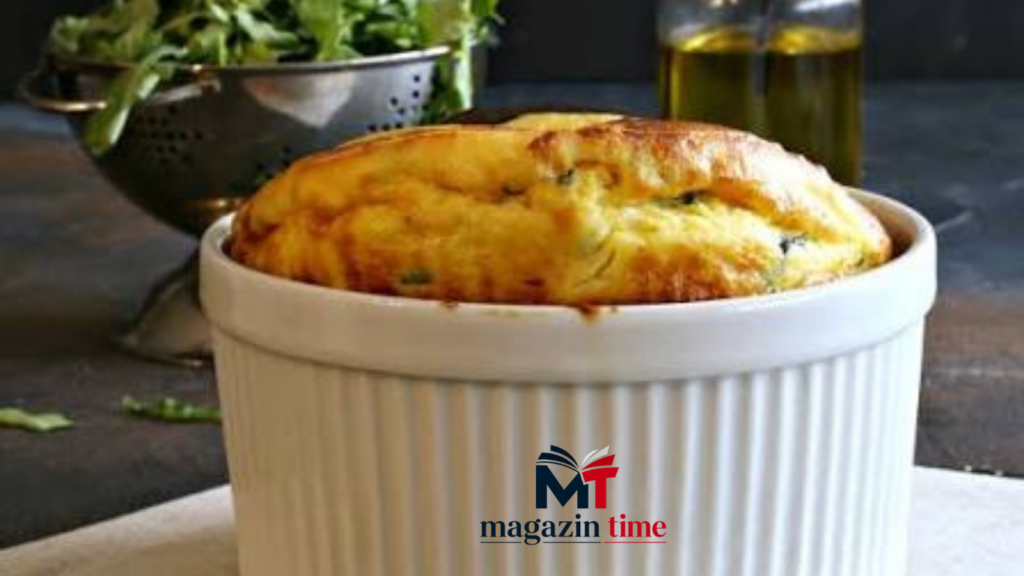
The egg soufflé’s breakthrough came with the improvement of ovens. Earlier coal-fired ranges produced uneven heat that made consistent rising difficult. Better temperature control in the nineteenth century allowed the dish to become more reliable and therefore more widely admired. Carême’s versions, sometimes enriched with expensive ingredients such as gold-flecked liqueur, cemented its reputation as a showpiece.
In Britain the soufflé arrived via French-trained cooks and translated cookbooks. Louis Eustache Ude’s The French Cook of 1813 introduced English readers to several recipes. Throughout the twentieth century it appeared on the menus of grand hotels and restaurants, often listed as a special for distinguished guests. Julia Child and her co-authors later described it in Mastering the Art of French Cooking as the “epitome and triumph” of the French culinary art, helping to bring the technique into home kitchens on both sides of the Atlantic.
Recognition has never taken the form of formal awards, yet the dish enjoys quiet prestige. Chefs still measure skill by their ability to produce a well-risen, soft-centred soufflé. Collaborations appear in modern restaurants where classic technique meets new flavours—salted caramel, seasonal fruit, or even sous-vide adaptations. Public reputation remains mixed: many home cooks regard it with respectful caution, while those who master it treat the result as a quiet triumph.
Personal Challenges or Turning Points
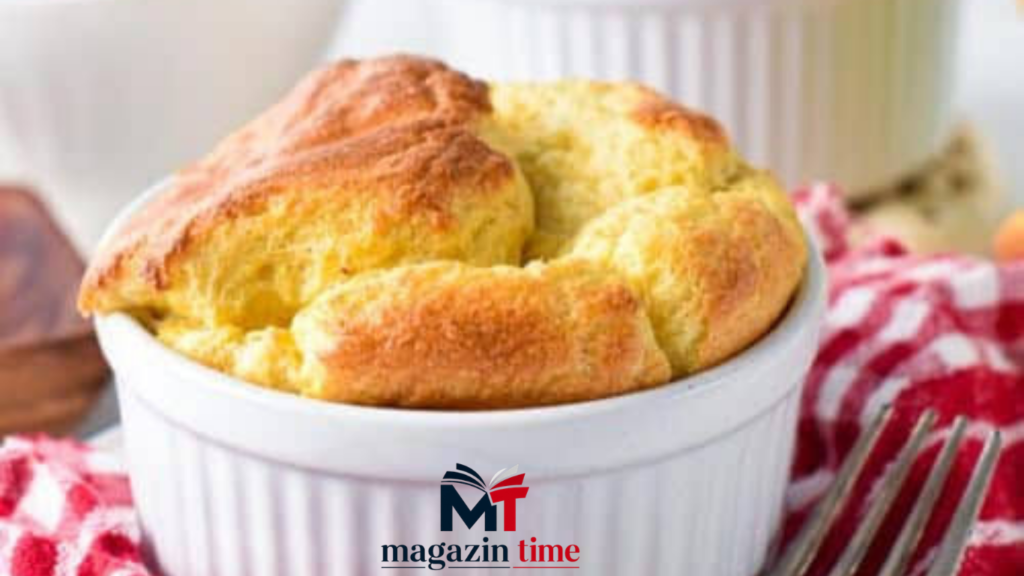
The egg soufflé’s greatest challenge has always been its reputation for difficulty. The mixture must be handled gently once the whites are folded in. Fat or yolk in the whites prevents them from reaching proper volume. Opening the oven door too early can cause a sudden collapse. Even a perfectly risen soufflé will sink within minutes of leaving the heat, a physical inevitability caused by cooling air contracting inside the structure.
Career setbacks for the dish itself have been cultural rather than technical. In the late twentieth century, as dining became more casual, the formal soufflé temporarily lost ground to simpler egg preparations. Yet interest never disappeared. Cookery schools continued to teach the method, and restaurants that specialised in soufflés—most famously Café Jacqueline in San Francisco—kept the tradition alive. Resilience came through demystification. Writers and chefs repeatedly showed that success depends less on magic than on clean equipment, room-temperature eggs, a stable base and precise timing.
Personal growth for the cook lies in understanding the science. The proteins in egg white unfold when beaten, forming a network that traps air. Heat expands that air while setting the proteins, producing the rise. Once this principle is grasped, the dish becomes far less intimidating.
Personal Life
The egg soufflé leads a double life. Savoury versions usually begin with a béchamel or cheese sauce enriched with yolks, then lightened with whites. Cheese soufflé, often made with Gruyère or mature Cheddar, remains a classic starter or light main course in British kitchens. Sweet versions rely on a pastry-cream base or fruit purée, with sugar stabilising the whites. Chocolate, lemon and fruit soufflés dominate dessert menus.
Public statements from chefs consistently stress the same points: use the freshest eggs possible, butter the moulds thoroughly, coat them with breadcrumbs or grated cheese for better grip, and serve immediately. Family life for the dish is domestic rather than celebrity. It appears at Sunday lunches, dinner parties and cookery classes rather than in the pages of gossip columns. No reliable public information supports elaborate personal narratives beyond the kitchen.
Later Career and Current Activities
Today the egg soufflé enjoys a quiet renaissance. Chefs experiment with twice-baked versions that can be prepared ahead and reheated, reducing the stress of last-minute timing. Modern techniques such as Italian meringue or controlled-temperature cooking appear in professional kitchens, while home cooks return to the classic method with better ovens and clearer instructions.
Public appearances take the form of cookery demonstrations, television segments and recipe columns. Charity work is rare, though the dish occasionally features in fundraising dinners that showcase classical skills. Business ventures are limited to specialist moulds, ramekins and the occasional branded recipe collection. Advocacy centres on food education: teaching the value of technique and the pleasure of a well-executed classic.
Quick Bio
| Detail | Information |
| Full Name | Egg Soufflé (French: soufflé) |
| Date of Birth | First recorded recipe 1742 |
| Place of Birth | France |
| Nationality | French origin, now international |
| Profession | Culinary dish (savoury or sweet) |
| Years Active | 18th century–present |
| Known For | Dramatic rise, delicate texture |
| Estimated Net Worth | N/A (cultural rather than commercial value) |
Legacy and Lasting Impact
The egg soufflé remains important because it demonstrates the transformative power of simple ingredients handled with precision. Its influence appears in every foam, mousse and lightened batter that followed. Public perception still mixes admiration with a touch of fear, yet that tension is part of its charm. The lesson is practical: respect the science, prepare carefully, and accept that beauty in the kitchen is sometimes temporary.
Conclusion
In an age of instant results and forgiving recipes, the egg soufflé continues to reward patience and attention. It asks the cook to slow down, to watch the whites carefully, and to time the service with care. Those who accept the invitation discover not only a delicious dish but a small piece of culinary history that still rises to the occasion.