

Finding snacks that children actually enjoy while still delivering proper nutrition can feel like a daily puzzle. Between school runs, after-school clubs and the inevitable “I’m hungry” moments, many families reach for whatever is quickest. Yet the right choices can support energy, concentration, growth and long-term habits without turning mealtimes into a battle.
Healthy snacks for kids do not need to be complicated or expensive. Fresh fruit and vegetables remain the gold standard according to the NHS, but a mix of protein, fibre and healthy fats helps keep little ones fuller for longer. This guide gathers practical, balanced ideas drawn from trusted sources such as NHS Healthier Families, registered dietitians and everyday family favourites across the UK.
Why Healthy Snacks Matter for Growing Children
Children’s energy needs fluctuate throughout the day. A mid-morning or after-school snack can bridge the gap between meals, steady blood sugar and prevent the late-afternoon crash that often leads to irritability or poor food choices later. Snacks also offer a valuable chance to top up vitamins, minerals and fibre that might be missing from main meals.
Public health guidance stresses limiting highly processed options high in free sugars and salt. The NHS recommends aiming for no more than two packaged snacks a day where possible, each ideally under 100 calories, while treating fruit and vegetables as unlimited. Excess sugar between meals is a leading contributor to tooth decay in young children, and frequent high-energy, low-nutrient snacks can contribute to weight gain over time.
The goal is not perfection. Occasional treats have their place. The focus is on building a pattern where the default option is something that nourishes rather than merely fills.
Fruit and Vegetable Snacks That Count Towards Five a Day
Fresh produce is the simplest starting point. It is naturally low in calories, rich in fibre and vitamins, and easy to prepare in advance.
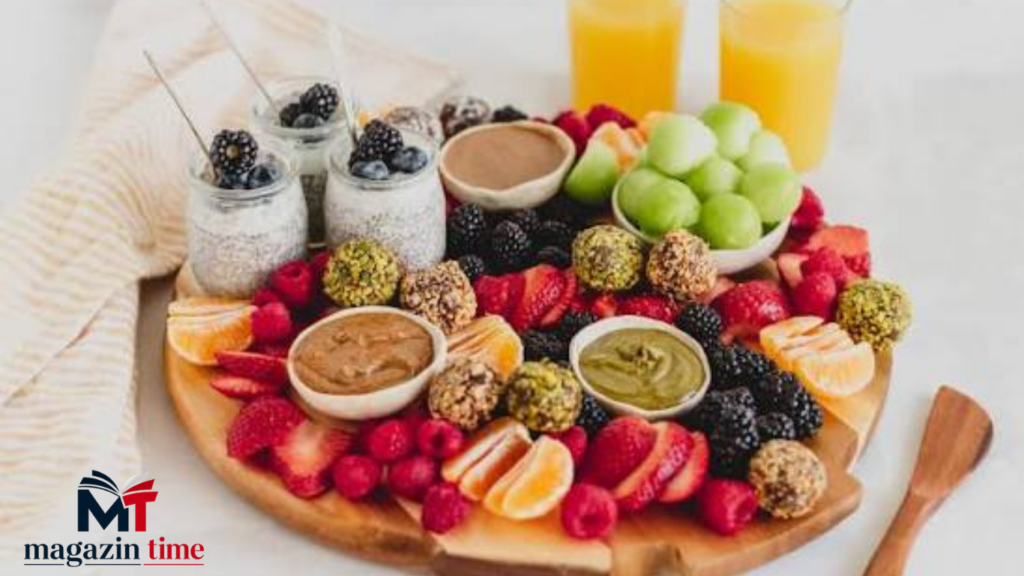
Fruit kebabs made with grapes (halved for younger children), strawberries, melon chunks and kiwi slices turn everyday fruit into something more appealing. Watermelon sticks on wooden lollipop sticks make a refreshing summer alternative to ice lollies. Frozen banana slices or yoghurt-dipped berries can be kept in the freezer for hotter days.
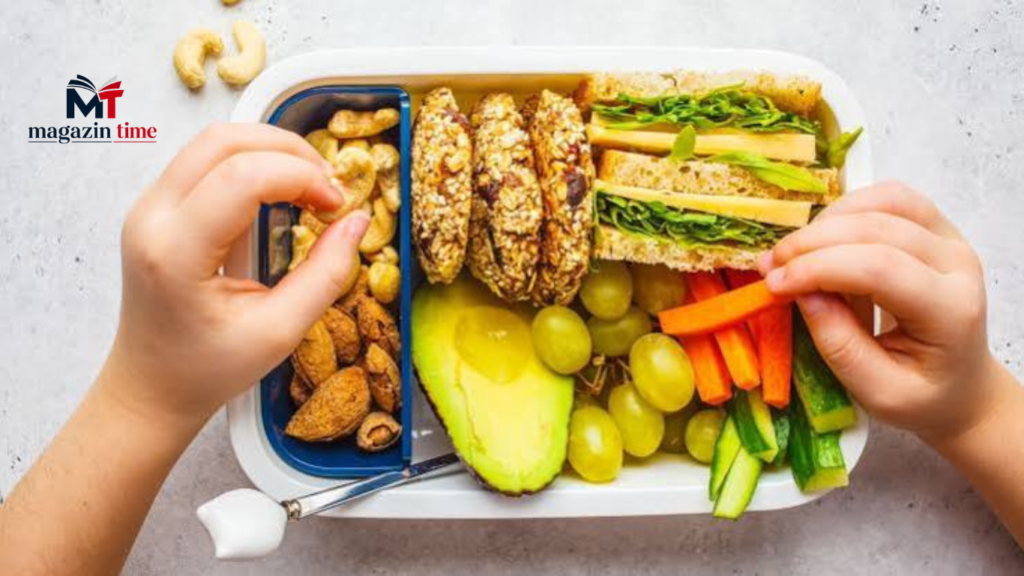
Vegetable sticks remain a reliable choice. Carrot, cucumber, pepper and celery batons paired with low-fat hummus or soft cheese give a satisfying crunch. Sugar snap peas, cherry tomatoes and cucumber “caterpillars” (with cream cheese and raisin eyes for fun) often win over reluctant vegetable eaters. Pre-chopping a selection and storing it in clear containers in the fridge makes grab-and-go easier for both parents and children.
Grilled tinned pineapple or a small handful of berries with a spoon of plain yoghurt adds variety without extra sugar. These options help children meet their five-a-day target while keeping portions sensible.
Protein-Rich and Balanced Combinations
Pairing carbohydrate with protein or healthy fat improves satiety. A hard-boiled egg with a few cherry tomatoes is simple and portable. Rice cakes or oatcakes topped with low-fat cream cheese and cucumber, or mashed avocado and a little boiled egg, deliver both crunch and nourishment.
Wholemeal pitta strips with tuna mixed with a little yoghurt and mayonnaise, or plain hummus with veggie fingers, work well for after-school hunger. Cheese cubes with apple slices, or a mini Babybel with a handful of grapes, provide calcium alongside fruit. For older children, a small portion of lightly salted plain popcorn or roasted chickpeas can replace crisps.
Banana with a thin spread of nut or seed butter (avoid whole nuts under the age of five because of choking risk) offers potassium and healthy fats. Greek-style yoghurt with mandarin segments or fresh berries is another reliable combination that many children accept readily.
Homemade Snacks Worth Making Ahead
Preparing a batch of simple snacks at the weekend can reduce reliance on packets during the week. Oat-based muffins with grated carrot or courgette, lightly sweetened with banana or a small amount of dried fruit, freeze well and thaw quickly. Homemade energy bites using oats, dates and seed butter require no baking and keep in the fridge for several days.
Flapjacks made primarily with oats, mashed banana and a modest quantity of dried fruit avoid the high sugar content of many commercial versions. Air-fryer sweet potato wedges seasoned with a pinch of cinnamon or mild paprika give a crispy texture without deep frying. Frozen yoghurt bark studded with berries is another freezer-friendly option that feels like a treat.
Involving children in the preparation often increases their willingness to try the finished product. Measuring oats, mashing banana or arranging fruit on skewers can become a short, positive activity rather than a chore.
Smarter Shop-Bought Choices
When time is short, reading labels helps. Look for options lower in sugar and salt, with recognisable ingredients. Lower-fat, lower-sugar fromage frais, plain or lightly flavoured yoghurt pouches without excessive free sugars, and fruit-based snacks made from real fruit rather than concentrates are generally better choices than many brightly packaged alternatives.
Rice cakes, plain popcorn, oatcakes and certain lentil or chickpea-based crisps can provide a crunchy alternative to standard potato crisps. Mini cheese portions and hard-boiled eggs from the supermarket fridge section are convenient protein sources. The NHS Food Scanner app can be useful for comparing products quickly while shopping.
Be aware that some items marketed as healthy still contain significant amounts of free sugar or salt. Checking the front-of-pack traffic lights and the ingredients list remains the most reliable approach.
Practical Tips for Everyday Success
Portion size matters. A child’s handful of fruit or a matchbox-sized piece of cheese is often enough. Offering snacks at roughly consistent times rather than constant grazing helps regulate appetite for main meals.
Keep water as the default drink. Milk is a good alternative at snack time for younger children; fruit juice, even pure, is best limited and diluted if offered at all.
Make healthy options the easiest ones to reach. A clear container of washed grapes or pre-cut vegetables at eye level in the fridge is more likely to be chosen than something that requires preparation. Involve children in choosing from two or three healthy options so they feel some control.
Allergies and individual preferences must always be considered. What works for one family may need adaptation for another. For children with specific dietary needs, advice from a registered dietitian or the child’s healthcare team is the safest route.
Building Lasting Habits Around Healthy Snacks for Kids
The most sustainable approach is gradual change. Swapping one high-sugar packet for fruit and yoghurt a few times a week, or adding vegetable sticks alongside a familiar favourite, builds acceptance over time. Celebrating small wins rather than aiming for an overnight transformation keeps the process positive for everyone.
Conclusion
Healthy snacks for kids support more than physical health. They teach children that food can be both enjoyable and nourishing, laying foundations for independent choices later in life. Consistency, variety and a calm atmosphere around food matter more than any single “perfect” snack.