
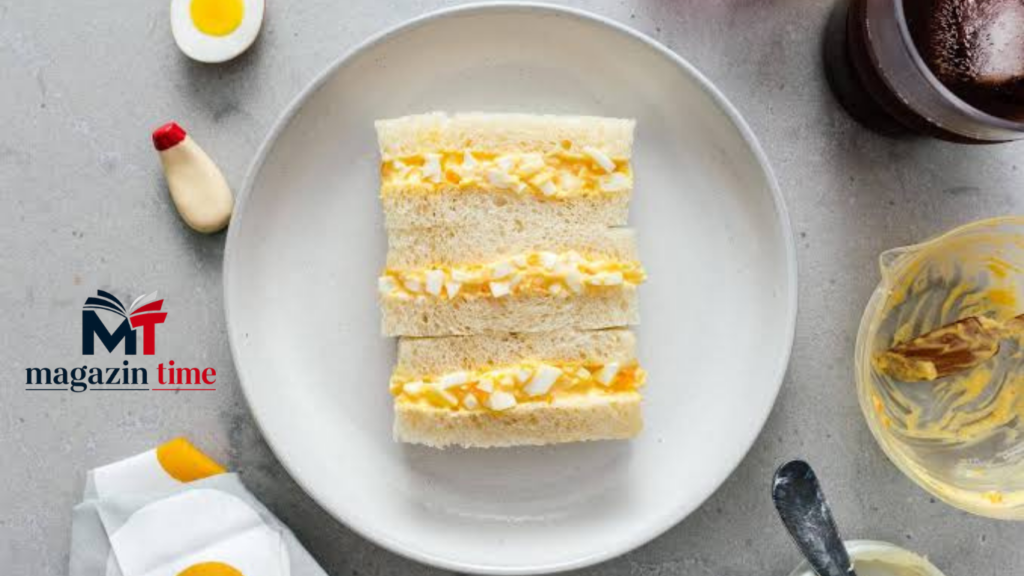

Japanese egg salad, often enjoyed as the iconic tamago sando, represents one of Japan’s most delightful contributions to global comfort food. This simple yet refined sandwich combines creamy egg salad with pillowy Japanese milk bread, creating a harmonious bite that feels both familiar and extraordinary. Its popularity in convenience stores across Japan has made it a staple for locals and a must-try for travellers, sparking widespread interest among home cooks seeking to recreate its magic.
What draws people to Japanese egg salad is its perfect balance of textures and subtle flavours. Unlike chunkier Western versions, the Japanese take emphasises creaminess from Kewpie mayonnaise and the airy softness of shokupan. It satisfies cravings without overwhelming the palate, embodying the Japanese culinary philosophy of elevating everyday ingredients.
The Origins and Cultural Context of Japanese Egg Salad
Japanese egg salad traces its roots to the introduction of Western bread and sandwiches during the Meiji period in the late 19th century. As Japan opened to international influences, bread became integrated into local cuisine, leading to innovations like ekiben (station bento) sandwiches. The tamago sando evolved as a convenient, affordable option that blended imported ideas with Japanese sensibilities.
By the post-World War II era, with the rise of convenience stores (konbini) like 7-Eleven and Lawson, the egg salad sandwich became a everyday hero. These stores perfected it for mass appeal: crustless, neatly packaged, and consistently delicious. Its fame grew internationally through food writers and travellers, including notable praise from Anthony Bourdain for the version at Lawson. Today, it symbolises the accessibility and quality of Japanese convenience culture.

What Makes Japanese Egg Salad Unique
The magic of Japanese egg salad lies in its key components. At its heart are hard-boiled eggs, but prepared with precision. Cooks often separate some yolks to mash smoothly with mayonnaise before folding in chopped whites for subtle texture.
Kewpie mayonnaise is essential. This Japanese staple, made primarily from egg yolks, rice vinegar, and a touch of umami, delivers a richer, tangier, and creamier profile than standard Western mayonnaise. A hint of sugar and salt enhances the eggs without overpowering them.
The bread completes the experience. Shokupan, or Japanese milk bread, features a soft, fluffy, slightly sweet crumb achieved through a tangzhong (water roux) method. Slices are typically crustless, allowing the filling to shine.
These elements create a sandwich that is light yet satisfying—ideal for a quick lunch, snack, or picnic.
How to Make Authentic Japanese Egg Salad at Home
Creating Japanese egg salad is straightforward yet rewards attention to detail. Start with high-quality eggs. Boil them until just set (around 9-10 minutes for large eggs), then cool rapidly in ice water for easy peeling and vibrant yolks.
For the salad, mash most of the yolks with Kewpie mayonnaise, a pinch of salt, sugar, and black pepper. Finely chop the whites and fold them in gently. Some recipes add a splash of milk for extra creaminess or a touch of mustard for depth, but purists keep it minimal.
Butter the bread lightly if desired, then pile on the filling generously before topping with another slice. Trim the crusts and cut into triangles or rectangles for that classic konbini presentation.
Pro tips for success:
- Use room-temperature eggs for even boiling.
- Avoid over-mixing to preserve some texture.
- Chill the assembled sandwich briefly for cleaner cuts.
- If shokupan is unavailable, choose the softest white bread possible, though results will vary.
Popular Variations and Modern Twists
While the classic remains supreme, Japanese egg salad inspires creativity. Some versions incorporate chopped herbs or a dash of soy sauce. Others feature layered tamagoyaki (Japanese rolled omelette) instead of salad for a different texture.
Home cooks experiment with add-ins like chives, a hint of chilli, or even fusion elements, but the best variations respect the original’s restraint. In the UK and beyond, it appears in bento boxes, afternoon teas, or as a gourmet lunch option.
Pairing and Serving Suggestions
Japanese egg salad pairs beautifully with simple sides. Enjoy it with a crisp green salad, miso soup, or pickled vegetables for contrast. For drinks, green tea, iced coffee, or a light lager complements the richness. It travels well, making it excellent for lunches or gatherings.
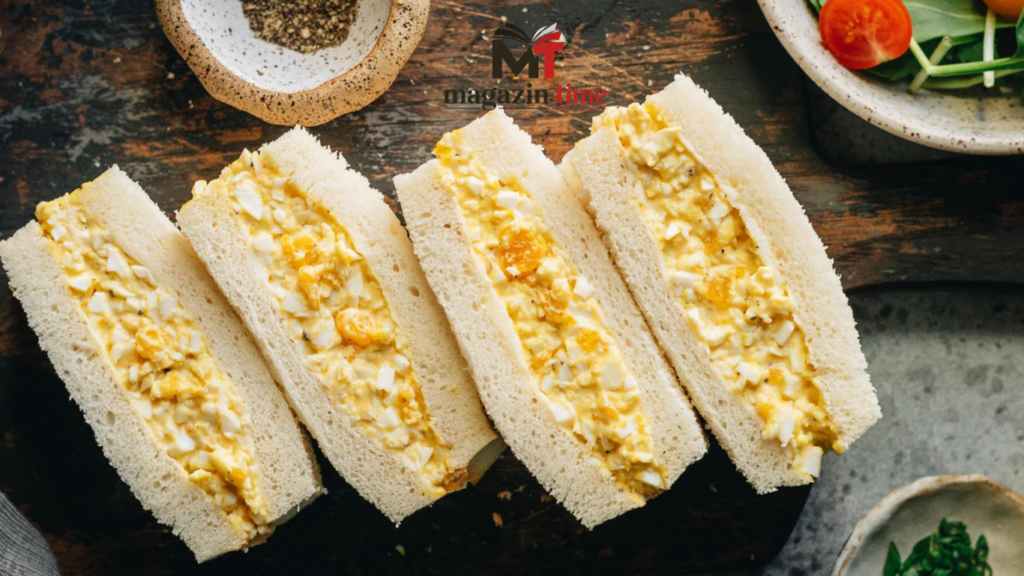
Quick Facts on Japanese Egg Salad (Tamago Sando)
| Detail | Information |
| Full Name | Tamago Sando (Japanese Egg Sandwich) |
| Origin | Japan (popularised in konbini) |
| Key Ingredients | Eggs, Kewpie mayonnaise, shokupan |
| Cultural Role | Convenience store staple |
| Signature Traits | Crustless, ultra-creamy, fluffy bread |
| Global Appeal | Viral on social media and food blogs |
The Lasting Impact of This Humble Sandwich
Japanese egg salad endures because it exemplifies refinement through simplicity. In a world of complex flavours, its focus on quality ingredients and balanced execution offers a refreshing counterpoint. It has influenced global perceptions of Japanese food beyond sushi and ramen, highlighting the ingenuity of everyday cuisine.
Conclusion
Its accessibility democratises fine eating—anyone can enjoy or recreate it. As interest in Japanese home cooking grows, tamago sando serves as an entry point for appreciating subtler aspects of the cuisine.
Japanese egg salad continues to delight new generations of fans. Its journey from Western-inspired beginnings to a beloved national icon reflects broader themes of adaptation and perfection in Japanese food culture. Whether grabbed from a Tokyo konbini or made fresh at home, it delivers consistent comfort and joy.