
Chipotle Red Chimichurri burst onto the menu in late 2025 as a vibrant, limited-time offering that quickly captured the attention of sauce enthusiasts and fast-casual diners alike. This tangy, smoky twist on the classic Argentinian condiment brought fresh heat and herbaceous brightness to Chipotle’s lineup, pairing especially well with grilled proteins and fresh ingredients.
What set it apart was its in-restaurant preparation each day, using real ingredients like hand-cut cilantro, roasted garlic, and chilli peppers—no artificial additives. For many, it represented Chipotle’s ongoing commitment to menu innovation while nodding to traditional flavours. Even after its initial run, the sauce sparked countless copycat recipes and calls for its return, proving its lasting appeal.
The Roots of Chimichurri: From Argentina to Modern Twists
Chimichurri originated in Argentina and Uruguay as an uncooked sauce designed to elevate grilled meats. The traditional green variety (chimichurri verde) relies on parsley, garlic, olive oil, red wine vinegar, and oregano for its fresh, zesty profile. Red chimichurri (chimichurri rojo), its spicier cousin, incorporates elements like roasted red peppers, smoked paprika, and chilli for deeper colour and smoky warmth.
These sauces emerged from the gaucho culture of the Pampas, where simple, bold seasonings transformed simple barbecues into memorable meals. Over time, regional variations spread across Latin America, with cooks adapting them to local tastes and available ingredients. Chipotle’s version cleverly bridges this heritage with its Mexican-inspired menu, adding chipotle influence for that signature smoky kick.
Chipotle’s Introduction of Red Chimichurri
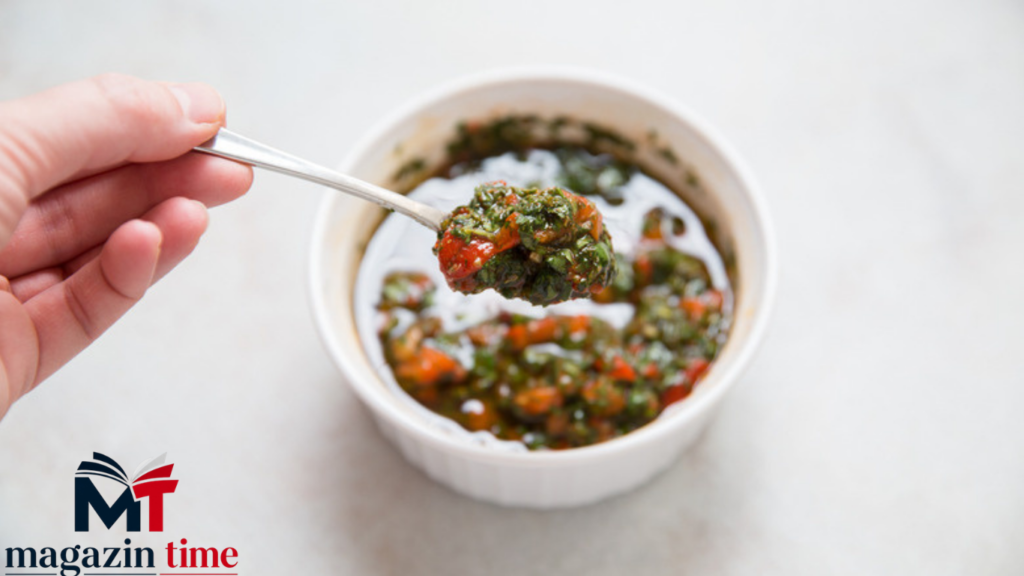
Chipotle Mexican Grill unveiled Red Chimichurri on 30 September 2025 as a chef-driven addition, responding to customer enthusiasm for dips and sauces. Made fresh daily with roasted garlic, fresh cilantro, chilli peppers, and citrus juice, it was positioned as the perfect companion for items like Carne Asada.
The launch included a special reward for Chipotle Rewards members, offering a free side with purchase on the debut day. Available across the US and Canada for a limited time, it generated significant buzz on social media, with diners praising its versatility beyond just steak.
This move reflected Chipotle’s broader strategy of menu evolution while maintaining its focus on fresh, high-quality ingredients prepared in-house.
What Makes Chipotle Red Chimichurri Special
Unlike the more common green chimichurri often associated with Chipotle in the past, the red version delivers a beautiful colour and layered flavour profile. It balances bright acidity from citrus and vinegar with smoky heat from chillies and roasted elements, all carried by a generous pour of oil.
Key characteristics include:
- Smoky depth from roasted garlic and chipotle elements.
- Herbaceous freshness from hand-cut cilantro (and often parsley in copycats).
- Tangy brightness courtesy of red wine vinegar, lime, or lemon juice.
- Customisable heat that complements rather than overwhelms Chipotle’s offerings.
Diners found it elevated burrito bowls, tacos, and even salads, blending seamlessly with guacamole, pico de gallo, and grilled vegetables.
Recreating Chipotle Red Chimichurri at Home
One reason for the sauce’s popularity is how approachable it is to replicate. While exact proprietary details remain internal, home cooks have developed close approximations using readily available ingredients.
Typical ingredients in copycat versions include:
- Roasted red bell pepper
- Fresh cilantro and parsley, finely chopped by hand
- Roasted garlic
- Chipotle peppers in adobo or chipotle powder
- Red wine vinegar and citrus juice (lime or lemon)
- Olive oil
- Spices like smoked paprika, cumin, and chilli flakes
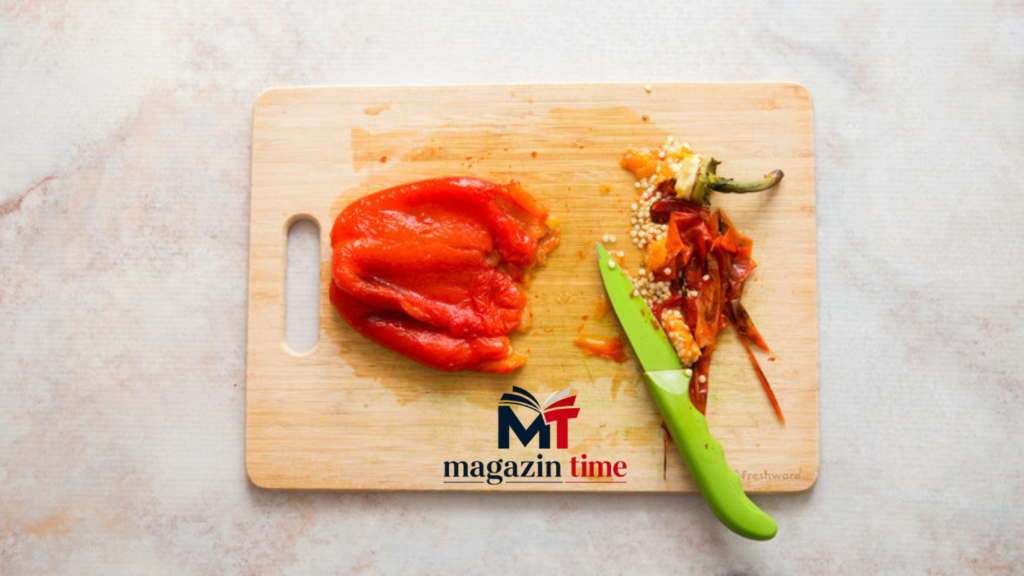
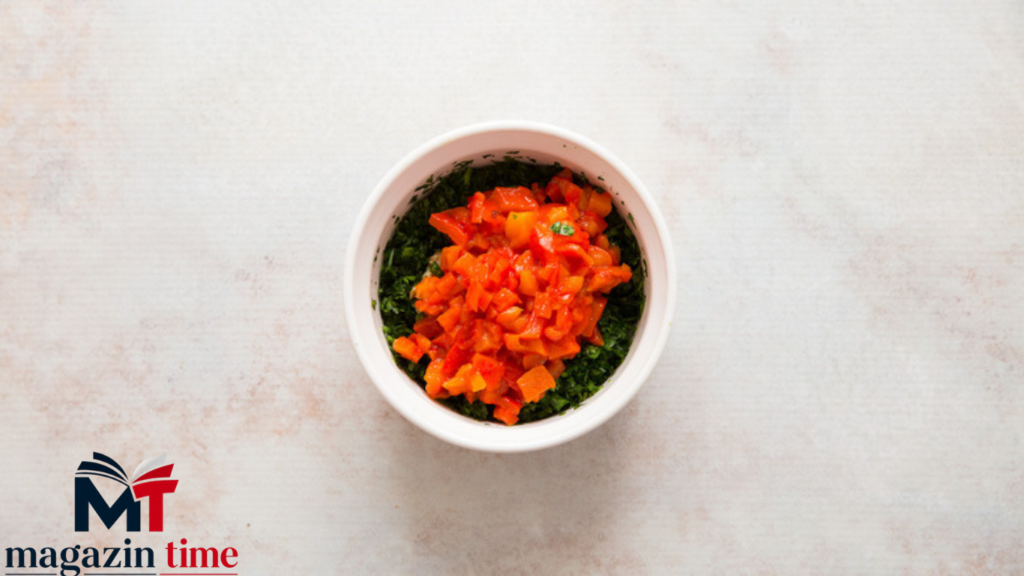
The method emphasises minimal processing to preserve texture—often hand-chopping herbs and pulsing roasted components lightly. Roasting your own garlic and peppers yields the most authentic results, though shortcuts like jarred peppers work in a pinch.
Store homemade versions in an airtight container in the refrigerator for up to a week. The oil-based nature means it may separate slightly; simply stir before use.
Pairings and Culinary Versatility
While designed for Carne Asada, Chipotle Red Chimichurri shines across many dishes. Try it drizzled over grilled chicken, roasted vegetables, or as a marinade base. It adds excitement to rice bowls, works as a sandwich spread, or elevates simple eggs in the morning.
Its balance of acid, fat, herb, and spice makes it more versatile than many heavier sauces, appealing to those seeking flavour without excessive heaviness.
Personal Challenges? The Sauce’s Journey and Reception
Like many limited-time offerings, Red Chimichurri faced the inevitable—its seasonal availability led to disappointment among fans when supplies ran out. Social media filled with requests to “bring it back,” highlighting the emotional connection diners form with favourite menu items.
Chipotle’s transparent approach to real ingredients and daily preparation helped build trust, though some noted higher sodium content typical of restaurant sauces. Overall, the feedback reinforced the brand’s strength in delivering craveable, fresh flavours.
Quick Facts on Chipotle Red Chimichurri
| Detail | Information |
| Full Name | Chipotle Red Chimichurri |
| Launched | 30 September 2025 |
| Origin Inspiration | Argentinian chimichurri rojo with Mexican influences |
| Key Ingredients | Roasted garlic, fresh cilantro, chilli peppers, citrus juice, oil |
| Availability | Limited-time offering (initial US/Canada run) |
| Best Known For | Smoky, tangy sauce for burritos, bowls, and grilled meats |
| Preparation | Made fresh daily in-restaurant |
Legacy and Lasting Impact
Chipotle Red Chimichurri demonstrated the power of innovation rooted in tradition. It introduced many to red chimichurri variations and encouraged home experimentation with fresh sauces. Its success underscored growing consumer demand for bold, herbaceous flavours that enhance rather than mask ingredients.
In the broader culinary landscape, it highlights how fast-casual chains can honour global food traditions while adapting them to accessible formats. The wave of copycat recipes ensures its influence extends well beyond the original launch.
Conclusion
Chipotle Red Chimichurri arrived as a welcome burst of colour and flavour, reminding us why sauces matter in transforming everyday meals into something special. Its blend of heritage and modernity captured imaginations and palates alike, even if only for a season. Whether enjoyed at a Chipotle location or recreated in your kitchen, it exemplifies the joy of bold, fresh cooking.