
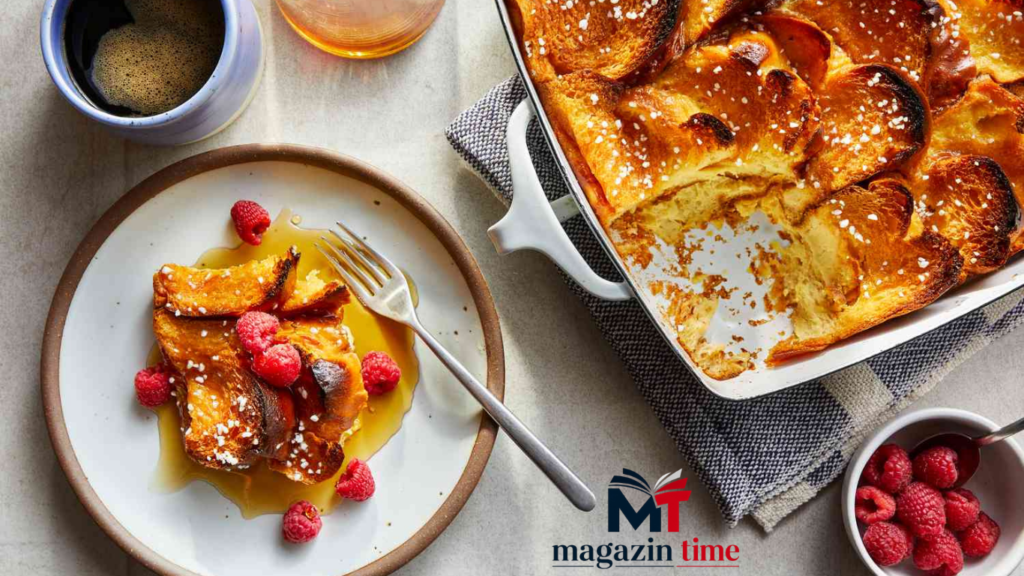

Baked French toast has become a beloved staple for weekend brunches, holiday mornings, and effortless family breakfasts. Unlike its traditional pan-fried counterpart, this oven-baked version delivers all the custardy richness and warm spices with far less hands-on effort, allowing the flavours to meld beautifully overnight.
Whether you are feeding a crowd or simply craving something indulgent yet straightforward, a good baked French toast recipe transforms simple ingredients into a crowd-pleasing casserole. Its appeal lies in the make-ahead convenience, the irresistible aroma that fills the kitchen, and the perfect balance of soft, soaked bread with a golden, caramelised top.
In this feature, we explore everything you need to know about creating the perfect baked French toast at home, from its historical roots to practical tips and delicious variations.
The History and Appeal of Baked French Toast
French toast itself has ancient origins, with early versions appearing in Roman cookbooks around the 1st century CE as a way to revive stale bread. Known as pain perdu (“lost bread”) in France, the dish has travelled across cultures with many names, including “eggy bread” in the UK.
The baked casserole style gained popularity more recently as home cooks sought easier ways to serve larger groups without standing over a stove. By soaking thick slices or cubes of bread in a rich egg custard and baking them, the result is a comforting, shareable dish that feels special yet requires minimal morning fuss.
This method’s popularity has soared because it suits busy lifestyles while delivering restaurant-quality results. It is ideal for Christmas mornings, lazy Sundays, or when guests arrive unexpectedly.
Why Choose a Baked French Toast Recipe?
One of the greatest advantages of baked French toast is its versatility and convenience. Traditional French toast demands constant attention at the hob, but the baked version can be prepared the night before and simply popped into the oven.
The custard—typically made with eggs, milk or cream, vanilla, and spices—soaks deeply into the bread, creating a luxurious texture that stays moist without becoming soggy when done right. A streusel or praline-style topping adds delightful crunch and caramel notes that elevate the whole dish.
It is also highly customisable. You can adapt it for dietary needs, seasonal produce, or personal preferences, making it a reliable recipe to return to time and again.
Essential Ingredients for Success
A classic baked French toast recipe starts with quality bread. Day-old or slightly stale loaves work best because they absorb the custard without falling apart. Excellent choices include French bread, brioche, challah, or sourdough for their sturdy structure and subtle sweetness.
For the custard base, you will need:
- Large eggs
- Whole milk, half-and-half, or a combination with heavy cream for richness
- Vanilla extract
- Ground cinnamon, with optional nutmeg or cardamom
- A touch of sugar or maple syrup
Many recipes incorporate a buttery brown sugar topping or streusel for that signature golden finish. Fresh fruit, nuts, or even cream cheese layers can be added for extra indulgence.
Step-by-Step Baked French Toast Recipe
This overnight baked French toast casserole serves 8–10 people generously and comes together quickly. It is based on popular, well-tested versions that deliver consistent results.
Ingredients:
For the French toast:
- 1 large loaf (about 450–500g) day-old French bread, brioche, or challah, cut into 2–3cm slices or cubes
- 8 large eggs
- 500ml whole milk
- 250ml double cream or half-and-half
- 100g granulated sugar
- 2 tsp vanilla extract
- 1½ tsp ground cinnamon
- ¼ tsp ground nutmeg (optional)
- Pinch of salt
For the topping:
- 100g unsalted butter, melted
- 150g light brown sugar
- 2 tbsp plain flour
- 1 tsp ground cinnamon
- Optional: 100g chopped pecans or walnuts
To serve:
- Warm maple syrup
- Fresh berries, icing sugar, or whipped cream
Instructions:
- Generously butter a 23x33cm (9×13-inch) baking dish. Arrange the bread slices or cubes in an even layer, slightly overlapping if using slices.
- In a large bowl, whisk together the eggs, milk, cream, sugar, vanilla, cinnamon, nutmeg, and salt until well combined and smooth. Pour this custard evenly over the bread, pressing down gently to ensure every piece is soaked. Cover tightly with foil or cling film and refrigerate overnight (or at least 4–6 hours).
- In the morning, preheat your oven to 180°C (350°F). Prepare the topping by mixing the melted butter, brown sugar, flour, and cinnamon (and nuts if using) until crumbly. Sprinkle evenly over the soaked bread.
- Bake uncovered for 45–60 minutes, until the top is golden brown, the centre is set, and a knife inserted comes out mostly clean. If the top browns too quickly, tent with foil for the last 10–15 minutes.
- Allow to cool slightly before serving. Cut into portions and drizzle with maple syrup and your favourite toppings.
This recipe yields a beautifully puffed, custardy interior with a crisp, caramelised exterior. Total active time is about 15–20 minutes, with the bulk being hands-off.
Tips for Perfect Baked French Toast Every Time
Using day-old bread is crucial to avoid a soggy result. If your bread is fresh, you can dry it out in a low oven for 10–15 minutes. Thick cuts or generous cubes help maintain texture.
Do not skip the overnight soak if possible—it allows flavours to develop fully. Bring the dish to room temperature for 20–30 minutes before baking for even cooking.
Watch the oven closely towards the end. The casserole is ready when it no longer jiggles in the centre and the top has a lovely golden hue. For an extra-crispy topping, broil briefly at the end, keeping a close eye on it.
Common pitfalls include too much liquid (which can lead to sogginess) or underbaking. Adjust based on your dish depth and oven.
Delicious Variations to Try
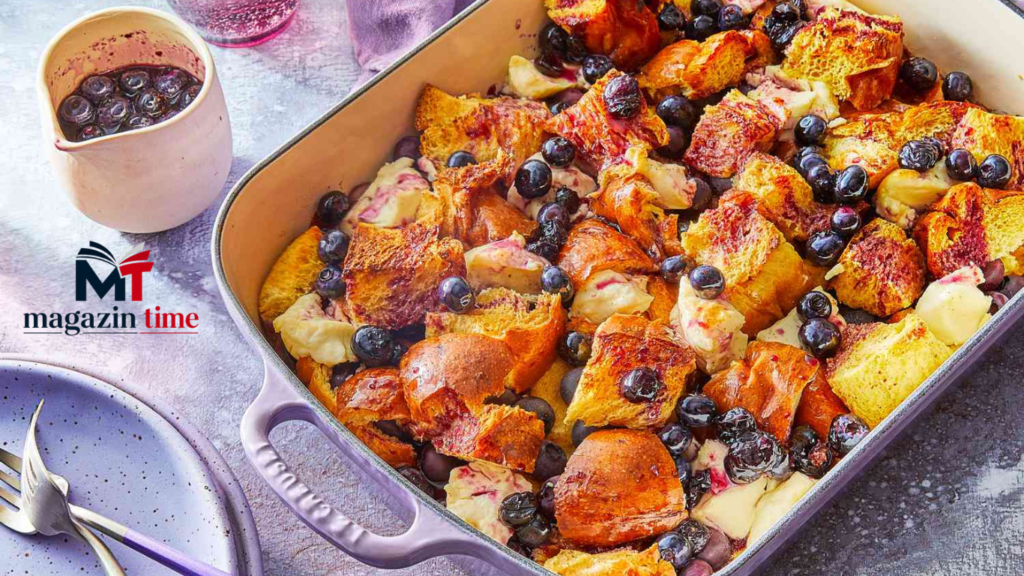
The beauty of baked French toast lies in its adaptability. For a fruity twist, layer in fresh blueberries, sliced bananas, or apples tossed in cinnamon before baking. A berries-and-cream version with dollops of cream cheese is particularly popular.
Seasonal options include pumpkin spice for autumn or lemon zest and blueberries for spring. Savoury-leaning versions can incorporate cooked bacon or sausage, though the sweet classic remains the favourite.
For a lighter take, use more milk and less cream, or opt for gluten-free bread and dairy alternatives. Chocolate chips or a swirl of Nutella can turn it into a decadent dessert.
Serving Suggestions and Pairings
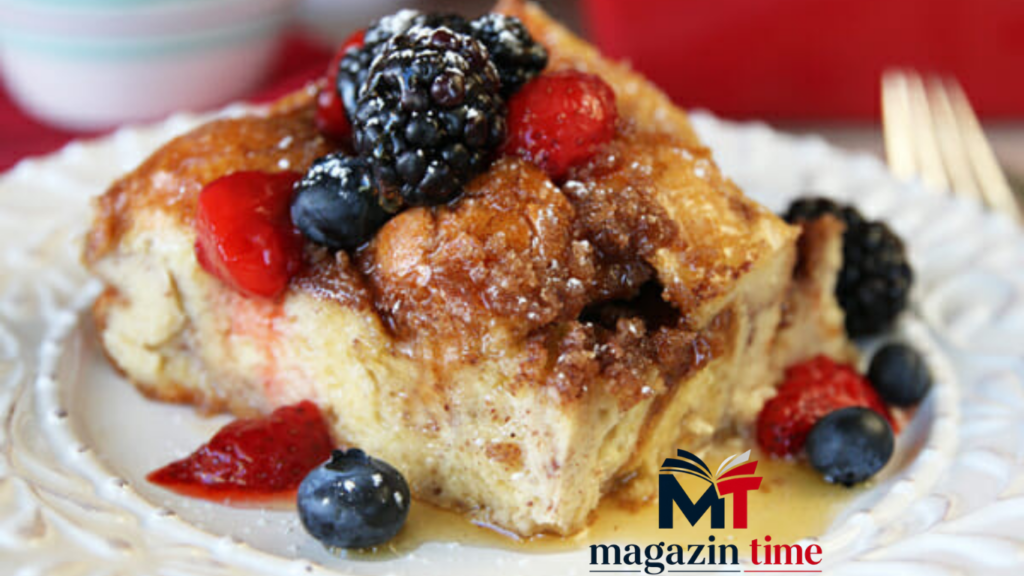
Serve your baked French toast warm with generous pours of real maple syrup. Fresh fruit balances the richness beautifully, while a dusting of icing sugar adds elegance.
It pairs wonderfully with crispy bacon or sausages for a full brunch spread. For drinks, consider fresh orange juice, coffee, or even a sparkling mimosa.
Leftovers reheat well in the oven or microwave and make excellent weekday breakfasts. The casserole also travels nicely for potlucks or holiday gatherings.
Quick Facts
| Detail | Information |
| Preparation Time | 15–20 minutes (plus overnight soak) |
| Cooking Time | 45–60 minutes |
| Servings | 8–10 |
| Difficulty | Easy |
| Make-Ahead | Yes, ideal overnight |
| Best Breads | Brioche, challah, French, sourdough |
Why Baked French Toast Remains a Timeless Favourite
This dish exemplifies comfort food at its best: accessible ingredients, minimal waste (perfect for using up bread), and maximum satisfaction. Its enduring appeal comes from evoking warm family memories while being practical for modern life.
Conclusion
Home cooks continue to love it for its reliability and the joy it brings to the table. Whether for a quiet morning or a festive celebration, it never fails to impress.
In a world of complicated recipes, the baked French toast recipe stands out for its simplicity and heartwarming results. It reminds us that the best dishes often come from humble beginnings and clever techniques.