
Coca de recapte is a cornerstone of Catalan cuisine, a rustic yet refined flatbread that captures the essence of Mediterranean simplicity and resourcefulness. For those searching “best coca de recapte near me,” the query often leads to local bakeries, traditional eateries, or even home kitchens where this versatile dish brings people together. Whether enjoyed hot from the oven or at room temperature during a picnic, it embodies the Catalan spirit of making the most of seasonal produce and leftovers.
This savoury coca stands apart from its sweeter relatives. Topped generously with roasted vegetables like peppers and aubergine (known as escalivada), and often finished with sardines, anchovies, sausages, or herbs, it offers a perfect balance of textures: a crisp exterior giving way to a soft, airy crumb. Its enduring appeal lies in its adaptability and deep cultural roots, making it a favourite not just in Catalonia but for anyone seeking authentic regional flavours.
The Origins and Cultural Significance of Coca de Recapte
The story of coca de recapte begins in the rural traditions of Catalonia, particularly in areas like La Noguera in Lleida and parts of Tarragona. “Coca” derives from old linguistic roots related to cake or flatbread, while “recapte” refers to provisions or supplies – the practical food one would prepare for a day in the fields or a picnic. Historically, villagers without home ovens would bring their dough and toppings to the local bakery to be cooked in the communal wood-fired oven.
This communal baking practice fostered a sense of shared heritage. Over time, coca de recapte evolved into a year-round staple, with variations reflecting the seasons and available ingredients. During Lent, for instance, versions with herring or salt cod appear, while everyday iterations might feature butifarra sausage or simply roasted vegetables. Its Roman or even earlier influences have been suggested, though exact origins remain tied more to practical rural life than precise historical records.
What Makes the Best Coca de Recapte Stand Out
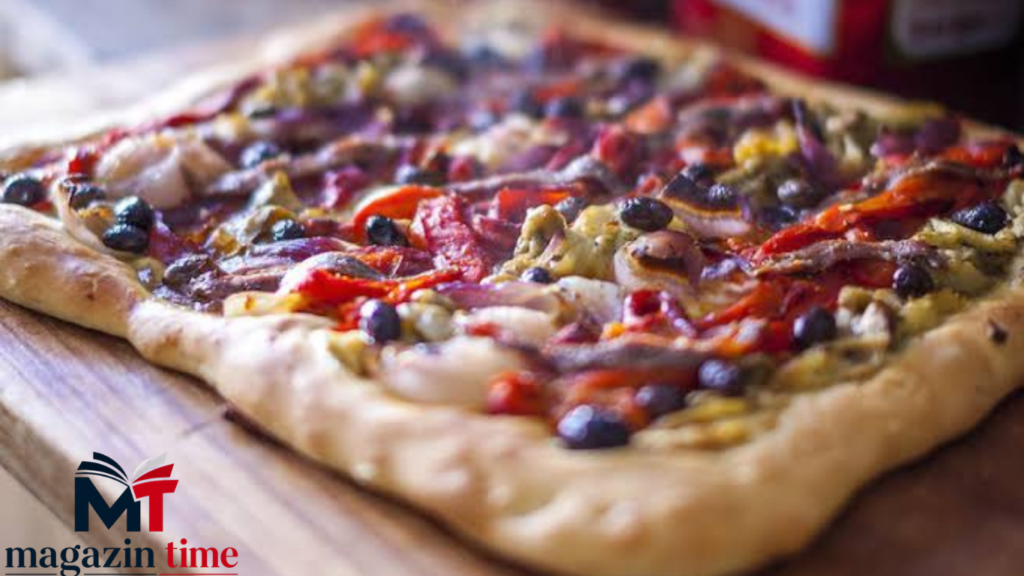
When hunting for the best coca de recapte near me, focus on freshness and quality of ingredients. The ideal dough uses bread flour, a touch of yeast, olive oil, and salt, resulting in a base that is neither too thin like some pizzas nor overly dense. Traditional toppings centre on escalivada – red peppers, aubergines, and onions roasted until sweet and smoky – often drizzled with good olive oil and sprinkled with rosemary or thyme.
Authentic versions avoid excess moisture that could sog the base. Many Catalan bakers achieve the perfect contrast: charred edges on the vegetables, tender fish or meat, and a crust that holds up well. In Barcelona and surrounding towns, family-run bakeries remain the gold standard, though innovative chefs in restaurants have introduced modern twists without losing the soul of the dish.
Regional Variations and Where to Find It
Catalonia offers delightful diversity. In Lleida, you might encounter heartier versions with local mushrooms and sausages, while coastal areas lean towards seafood. Travellers often make detours to renowned spots in places like Les Borges del Camp or smaller villages where a single bakery has built a reputation over generations.
For those searching locally in the UK or elsewhere, look for Spanish or Mediterranean delis, Catalan cultural events, or restaurants specialising in Iberian cuisine. Many now offer takeaway or frozen options. Home cooks can replicate the experience with readily available ingredients, bringing a taste of Catalonia to their own table.
How to Make Coca de Recapte at Home
Creating an excellent coca de recapte is approachable. Start with a simple dough: combine strong bread flour, yeast, salt, sugar, and warm water, allowing it to prove until doubled. Meanwhile, roast peppers, aubergine, and onions until caramelised. Assemble by stretching the dough, layering the vegetables, adding protein if desired, and baking at a high temperature for a short time to achieve that signature crispness.
Experiment with toppings based on what’s in your “recapte” – leftovers are encouraged. A vegetarian version shines with just escalivada and olives, while a classic includes marinated sardines. The key is restraint and high-quality olive oil.
Personal Stories and Enduring Traditions
Many Catalans recall childhood memories of fetching fresh coca from the bakery for family gatherings or Saint John’s Eve celebrations. It transcends mere sustenance, serving as a vehicle for storytelling and connection. Public appreciation has grown internationally as interest in regional Spanish cuisines expands, with chefs and food writers highlighting its humble elegance.
While trends come and go, coca de recapte’s resilience stems from its practicality and flavour. It requires no fancy equipment, adapts to dietary needs, and rewards simplicity.

Quick Facts About Coca de Recapte
| Detail | Information |
| Full Name | Coca de Recapte |
| Origin | Catalonia, Spain (notably Lleida and Tarragona regions) |
| Type | Savoury flatbread/pastry |
| Key Ingredients | Bread dough, roasted vegetables (escalivada), olive oil, optional sardines/sausage |
| Traditional Use | Picnics, festivals, everyday meals |
| Similar To | Focaccia or pizza, but distinctly Catalan in texture and toppings |
| Availability | Bakeries across Catalonia, speciality stores, and home kitchens worldwide |
The Lasting Appeal of This Catalan Classic
Coca de recapte endures because it represents resourceful, flavour-forward cooking that values place and season. In a world of fast food, it offers a slower, more meaningful alternative – one that brings families and communities together. Its influence extends to modern Spanish gastronomy, where respect for traditional ingredients informs innovative dining.
Public perception celebrates it as approachable yet special, a dish that feels both everyday and celebratory. The lessons it imparts – waste less, share more, and let good produce shine – remain relevant.
Conclusion
whether you’re typing “best coca de recapte near me” into your search bar or rolling up your sleeves to bake one, this Catalan treasure delivers satisfaction in every bite. Its story is one of tradition meeting practicality, resulting in something truly delicious.