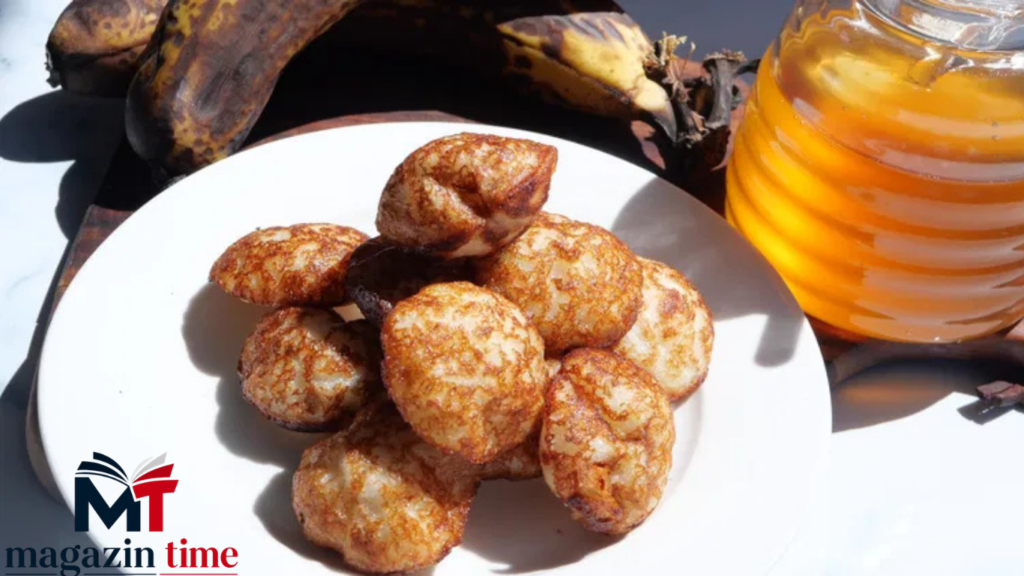

Masaco banana, or masaco de plátano, is a hearty Bolivian staple that has been warming hearts and filling bellies for generations. This comforting dish of mashed plantains mixed with savoury additions like cheese, charque (dried beef), or chicharrón has deep roots in the tropical lowlands of eastern Bolivia.
For anyone typing “best masaco banana near me,” the search often leads to Bolivian restaurants, Latin American markets, or home kitchens where this versatile recipe brings a taste of the Beni and Santa Cruz regions. Whether enjoyed as a breakfast, snack, or side dish, masaco banana offers satisfying textures and flavours that appeal far beyond its origins.
What Is Masaco Banana?
At its heart, masaco banana is a simple yet deeply satisfying preparation using plantains — the starchy cooking bananas that are larger and firmer than dessert varieties. The plantains are typically boiled, fried, or roasted until tender, then mashed and combined with other ingredients to create a cohesive, savoury mash.
Unlike sweet banana recipes, masaco emphasises savoury profiles. Common variations include masaco de plátano con queso (with cheese), con charque (with dried meat), or con chicharrón (with crispy pork). The result is a versatile dish that can be shaped into patties, served loose, or enjoyed straight from the pot.
Early Roots and Cultural Background
Masaco banana traces its origins to the tropical regions of eastern Bolivia, particularly the departments of Beni and Santa Cruz. In these areas, plantains thrive alongside cattle ranching traditions, leading to practical, resourceful recipes that use locally abundant ingredients.
Indigenous and mestizo communities in the lowlands developed masaco as a filling meal for workers in humid, demanding environments. The dish’s name “masaco” likely derives from the Quechua or local terms related to mashing or pounding, reflecting hands-on preparation methods passed down through families.
Plantains arrived in the Americas via colonial trade routes and quickly became integrated into local cuisines. In Bolivia’s eastern lowlands, they paired naturally with charque — a preserved beef essential for long journeys and ranch life — creating a balanced, protein-rich dish suited to the climate and lifestyle.

Rise in Popularity and Regional Variations
While masaco banana remains a everyday favourite in Bolivian homes, it has gained recognition among food enthusiasts exploring South American cuisines. As Bolivian communities migrated to urban centres and abroad, the recipe travelled with them, adapting to available ingredients while retaining its comforting essence.
In Santa Cruz and Beni, versions with yellow plantains (maduro) offer sweeter notes, while green plantains (verde) provide a firmer, more neutral base ideal for savoury pairings. Cheese masaco is particularly popular for its creamy texture, often using local fresh or semi-hard varieties that melt beautifully into the mash.
Modern interpretations might incorporate additional spices or serve masaco alongside rice, yuca, or as a filling for empanadas. Its adaptability has helped it find a place on menus beyond traditional settings, appealing to those seeking gluten-free, hearty comfort food.
Personal and Cultural Challenges in Preservation
Like many traditional dishes, masaco banana faces the challenge of maintaining authenticity amid globalisation and urbanisation. Younger generations in Bolivia sometimes prefer faster, processed foods, yet family recipes continue to preserve these culinary traditions.
Efforts by chefs, home cooks, and cultural organisations help keep masaco alive through cooking classes, festivals, and social media sharing. The dish’s simplicity — requiring minimal equipment and forgiving ratios — aids its survival and transmission across borders.
For Bolivian diaspora communities, preparing masaco banana often serves as a connection to heritage, evoking memories of family gatherings and regional pride.
How to Enjoy Masaco Banana Today
Finding the best masaco banana near you depends on your location. In cities with Latin American communities, look for Bolivian or pan-South American eateries, food trucks, or markets specialising in tropical ingredients. Many home cooks recreate it successfully with readily available plantains from international supermarkets.
Basic preparation tips include selecting firm green or semi-ripe plantains, cooking them thoroughly to achieve the right mashable texture, and seasoning generously with salt. Frying adds a pleasant crispness before mashing, while boiling keeps it lighter. Mix-ins like grated cheese should be added while the mash is hot for even distribution.
Variations allow creativity: vegetarian versions with mushrooms or extra cheese, spicy iterations with ají peppers, or breakfast-style servings topped with fried eggs.

Quick Facts About Masaco Banana
| Detail | Information |
| Full Name | Masaco de Plátano (Mashed Plantain) |
| Origin | Eastern Bolivia (Beni & Santa Cruz) |
| Main Ingredient | Plantains (cooking bananas) |
| Common Additions | Cheese, charque (dried beef), chicharrón |
| Typical Serving | Breakfast, snack, or side dish |
| Cultural Significance | Traditional lowland comfort food |
| Preparation Time | 30–45 minutes |
Lasting Impact and Appeal
Masaco banana represents the resourceful spirit of Bolivian lowland cuisine. It transforms humble ingredients into a dish greater than the sum of its parts, offering sustenance and satisfaction in equal measure. Its influence extends to similar mashed plantain preparations across Latin America and the Caribbean, though the Bolivian style retains a distinctive character.
Conclusion
In an era of culinary exploration, masaco banana reminds us of the value of regional traditions. It appeals to those seeking authentic flavours, comfort food with history, or simply a tasty way to enjoy plantains beyond frying or baking.
The dish’s enduring popularity stems from its practicality, adaptability, and deep connection to place and people. Whether sampled in a bustling Santa Cruz market or recreated in a kitchen far from Bolivia, it delivers a taste of tropical resilience and warmth.